
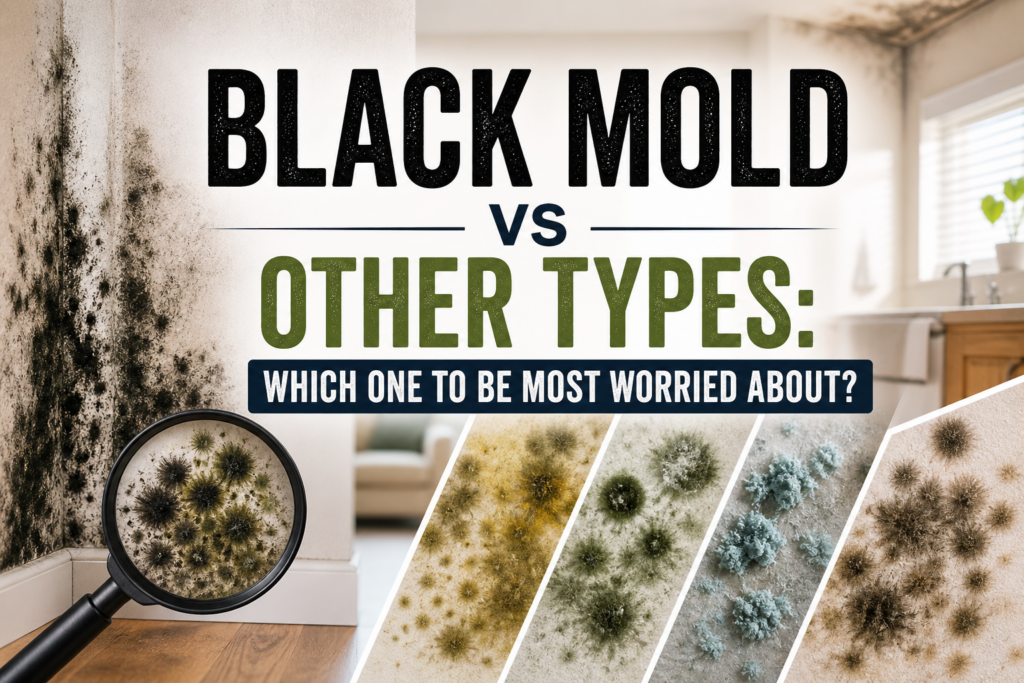
Discovering mold in your home can be alarming. In Las Vegas, where the climate is dry, many residents feel safe from fungal growth. However, indoor moisture from leaking AC units, plumbing failures, or poor ventilation can create the perfect breeding ground for various molds. While “black mold” gets the most frightening headlines, it is far from the only type you might encounter. Understanding the differences between common household molds and knowing when to call for mold remediation in Las Vegas is essential. This guide explores which molds pose the greatest risk and how to protect your property and health.
The Infamous “Toxic” Black Mold (Stachybotrys chartarum)
When people talk about the dangers of mold, they are almost always referring to Stachybotrys chartarum, more commonly known as toxic black mold. This specific strain is greenish black and often has a slimy or wet appearance. It thrives on material with high cellulose content, such as drywall, wood, and ceiling tiles, particularly when they have been soaked by a leak for an extended period.
The reason black mold is so feared is its ability to produce mycotoxins. These chemical byproducts can cause serious health issues, including chronic fatigue, persistent headaches, respiratory distress, and even neurological symptoms in some cases. However, it is important to note that not all black colored mold is Stachybotrys. Proper identification usually requires professional testing.
Common Household Mold Types
While black mold is the “villain” of the story, several other types are much more common in homes. Just because they aren’t labeled “toxic” doesn’t mean they are harmless.
1. Aspergillus
Aspergillus is one of the most frequently found molds in the world. It is an allergenic mold that can appear in almost any color, though it often looks white or yellow with dark spores. For most healthy people, it causes mild allergic reactions. However, for those with weakened immune systems or underlying lung conditions, it can lead to a more serious infection known as aspergillosis.
2. Cladosporium
This is a hardy mold that can grow in both warm and cold conditions. It is frequently found on fabrics, carpets, and wood surfaces. Cladosporium typically looks olive green or brown and has a suede like texture. While it doesn’t produce mycotoxins, it is a significant cause of asthma attacks and hay fever symptoms.
3. Penicillium
You might recognize this name from the famous antibiotic, but in your home, it’s an unwelcome guest. Penicillium is often found in water damaged buildings, appearing on wallpaper, carpet, and even decaying food. It is known for its blue or green hue and its ability to spread rapidly through the air. Like other allergenic molds, it can cause chronic sinus infections and lung inflammation.
4. Alternaria
Alternaria is a common allergenic mold that often indicates water damage in areas like showers, sinks, and beneath leaky pipes. It is velvet textured and dark green or brown. Because it spreads so easily, it is a top concern for homeowners with seasonal allergies.
Read Also: Water Damage vs. Mold
Which One Should You Be Most Worried About?
The short answer? All of them.
While the health risks associated with black mold are indeed significant, the “most dangerous” mold is often whichever one is currently growing unchecked in your home. The presence of any mold is a symptom of a much larger problem: a moisture issue.
In a desert climate like Las Vegas, mold isn’t just a health risk. It’s a sign that your home’s structural integrity might be at risk. Whether it’s a slow leak behind your baseboards or condensation from an aging HVAC system, the moisture that feeds mold also rots wood and degrades drywall. If you see mold, you are looking at the “tip of the iceberg.”
Why Mold is a Unique Challenge in Las Vegas
Homeowners in Henderson, Summerlin, and across the Las Vegas valley face unique environmental factors that contribute to mold growth:
- AC Condensation: With air conditioners running 24/7 during the summer, clogged condensate lines can quickly overflow, soaking the surrounding drywall and insulation.
- Plumbing Leaks: Because we live in a dry climate, small leaks often go unnoticed until a significant colony of mold has formed.
- Lack of Ventilation: Many newer homes are built so airtight for energy efficiency that moisture becomes trapped in bathrooms or laundry rooms without proper airflow.
When these issues arise, looking for expert mold removal in Las Vegas is the only way to ensure the problem is solved at the source.
The Importance of Professional Mold Remediation
Trying to clean mold yourself with bleach often does more harm than good. Bleach kills surface mold but doesn’t reach the roots embedded in porous materials like wood or drywall. Furthermore, scrubbing mold can release thousands of spores into the air, spreading the contamination to other rooms.
Professional mold remediation in Las Vegas involves a multi step process:
- Assessment: Identifying the source of moisture and the extent of the growth.
- Containment: Using specialized barriers to prevent spores from spreading.
- Air Filtration: Using HEPA filters to scrub the air of fungal particles.
- Removal: Safely removing & disposing of contaminated materials.
- Restoration: Repairing drywall, flooring, and paint to return your home to its original state.
Read Also: Mold Removal in Las Vegas
Your Trusted Las Vegas Handyman for Mold and Repairs
At Call 4 Handyman Las Vegas, we understand that discovering mold is stressful. We specialize in more than just remediation. We handle the entire process from fixing the initial plumbing leak to the final coat of paint on your new drywall. Whether you are in Sun City, Anthem, or North Las Vegas, our team provides reliable, transparent, and skilled service to keep your home safe.
Don’t let a small spot of mold turn into a massive renovation project. We offer free estimates and fast response times to address water damage and mold growth before it spreads.
FAQs
1. Is black mold the only type that causes health problems?
No. While black mold is known for mycotoxins, many other types like Aspergillus and Cladosporium are powerful allergens that can cause asthma, sinus infections, and respiratory distress, especially in children and the elderly.
2. Can I just spray bleach on mold to kill it?
We do not recommend this. Bleach often only kills surface mold and adds moisture to the material, which can actually encourage deeper mold growth. Professional remediation is needed for porous surfaces like drywall and wood.
3. How do I know if the mold in my house is toxic?
The only certain way to know is through professional testing. However, regardless of the strain, if you have visible mold or a persistent musty smell, it should be removed to protect your home’s air quality and structure.
4. What are the common signs of mold if I can’t see it?
Common signs include a lingering musty or “earthy” odor, unexplained allergic reactions (sneezing, itchy eyes), and visible water stains on your walls, ceilings, or baseboards.
Read Also: Signs of Mold in Your Home
5. Why is mold growing in my house if I live in the Las Vegas desert?
Mold doesn’t need high outdoor humidity. It only needs a moisture source inside. In Las Vegas, this usually comes from leaking pipes, overflowing AC pans, or poor ventilation in bathrooms and kitchens.
Conclusion
While black mold carries a “toxic” reputation, any indoor mold growth deserves immediate attention. Every type of mold shows an underlying moisture problem that can damage your property and affect your health from the allergens produced by Aspergillus to the spread of Penicillium. The most important step is to address the moisture source and seek professional removal. If you suspect mold or have experienced a water leak, call the experts who know the Las Vegas climate best. Call 702-752-0758 today for a free estimate from Call 4 Handyman Las Vegas. We keep your home safe.