
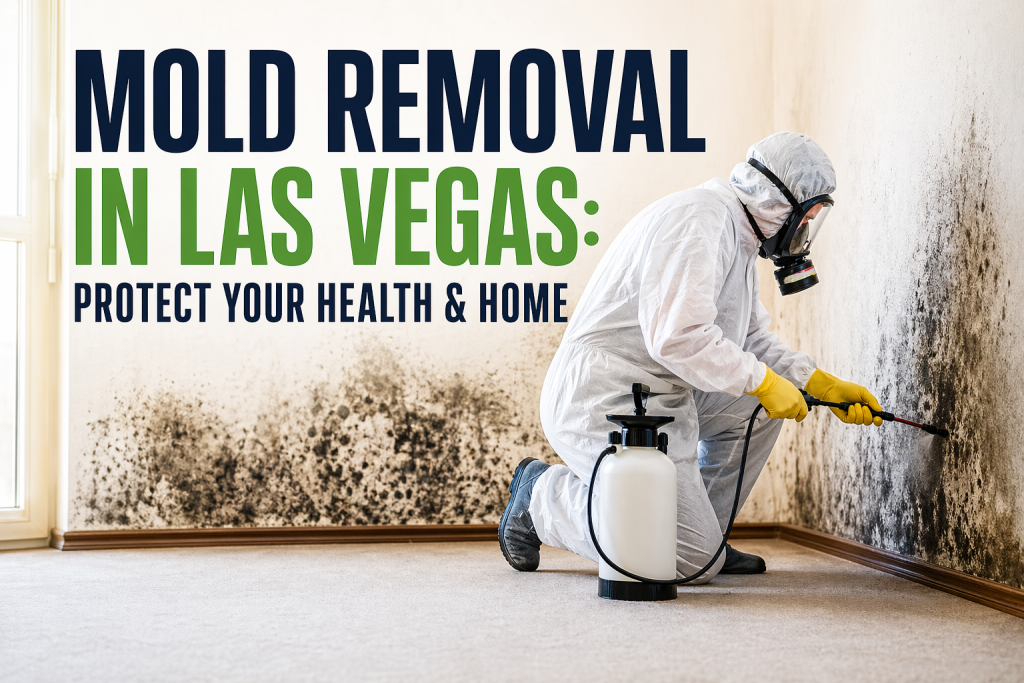
Mold removal in Las Vegas is more important than many homeowners realize. Discovering mold in your home can be alarming. Many residents assume that the dry Mojave Desert climate protects their properties from fungal growth, but that is not always the case. Indoor environments, especially those affected by air conditioning condensation, plumbing leaks, and poor ventilation, can create ideal conditions for mold to thrive.
This silent intruder does more than damage your home’s structure. It can also put your family’s respiratory health at risk. This article explores the unique challenges of mold removal in Las Vegas and how Call 4 Handyman Las Vegas can help you restore a safe, healthy living environment.
What is Mold and How Does It Develop
Mold belongs to the fungi group and reproduces through microscopic spores ranging from 1 to 40 microns in size. These invisible spores float through indoor and outdoor air, depositing on surfaces throughout homes. When spores land on wet surfaces with suitable conditions, they begin to grow and digest the organic matter around them.
Three factors must align for mold growth: sufficient moisture, a food source such as cellulose found in building materials, and temperatures between 50°F and 90°F. Mold can establish and multiply within 24 to 48 hours after water exposure. Once water damage occurs in porous materials such as drywall, wood, and insulation, mold can follow rapidly.
Identifying the Enemy: Types of Mold Found in Nevada Homes
Not all mold is created equal, but all mold requires attention. In the Las Vegas Valley, homeowners typically encounter a few specific varieties:
- Stachybotrys chartarum (Black Mold): This is the most infamous type. It is greenish black and thrives on high cellulose materials like drywall and paper. It is known for producing mycotoxins that can lead to severe health complications.
- Aspergillus: A common indoor mold that can grow on dust and building materials. While often less toxic than black mold, it is a significant trigger for those with weakened immune systems.
- Cladosporium: This mold is unique because it can grow in both cool and warm conditions. You might find it on the back of toilets, on fiberglass air ducts, or on painted wood surfaces.
- Penicillium: Known for its blue or green appearance, this mold spreads quickly through the air and is often found in areas with high humidity or previous water damage.
Identifying these species is the first step in professional mold removal in Las Vegas. It ensures the remediation plan matches the specific type of fungal growth present.
Read Also: Top 5 Signs Your Drywall Needs Immediate Repair
Health Risks You Need to Know
Ignoring mold is not just a cosmetic issue. It is a health crisis waiting to happen. Mold releases microscopic spores into the air that can be inhaled or absorbed through the skin. Because we spend about 90% of our time indoors, especially during the brutal 110 degree Vegas summers, poor indoor air quality can have a cumulative effect on our well being.
Common symptoms of mold exposure include:
- Chronic coughing and wheezing
- Persistent sinus congestion and “desert allergies.”
- Itchy, watery eyes and blurred vision
- Skin rashes, hives, or unexplained irritation
- Fatigue, “brain fog,” and difficulty concentrating
- Worsening of asthma symptoms
For children, the elderly, and those with pre existing respiratory conditions, the effects can be severe. This is why thorough mold removal in Las Vegas is essential to protecting your family’s long term health.
Common Causes of Mold in Las Vegas Properties
Mold is a common problem in many buildings, even in a dry place like Las Vegas. While the city is known for its hot and desert climate, mold can still grow indoors when certain conditions are present. Here are some common causes of mold in Las Vegas properties:
1. HVAC Condensation
Your air conditioner works overtime during the scorching summer months. If the condensate drain line becomes clogged with dust or algae, the water backs up into the drain pan and eventually overflows into your attic or walls.
2. Plumbing Leaks
Slow drips under the kitchen sink or behind a refrigerator with an ice maker can go unnoticed for months. In the dry Vegas air, the surface might feel dry, but the back of the cabinet or the subfloor remains damp, allowing mold to flourish.
3. Evaporative (Swamp) Coolers
Popular in older Las Vegas neighborhoods, swamp coolers use water to cool the air. If not maintained correctly, they can significantly increase indoor humidity levels, leading to mold growth on ceilings and around vents.
4. Poor Ventilation in Bathrooms
Without a high functioning exhaust fan, the steam from your shower lingers. Over time, this moisture seeps into the grout and drywall, creating those stubborn black spots in the corners of your bathroom.
The Warning Signs: How to Spot Hidden Mold
You don’t always see mold before you feel its effects. Here are the red flags every Las Vegas homeowner should know:
- Musty Odors: A persistent earthy or “wet sock” smell that doesn’t go away with cleaning is a classic sign of hidden mold.
- Visible Staining: For example, looking for yellow or brown discoloration on baseboards can indicate a leak and mold growth behind the wall.
- Water Damage History: If you had a pipe burst six months ago and didn’t have professional drying, there is a high probability that mold is now growing in the wall cavity.
- Warping Materials: Peeling wallpaper, bubbling paint, or warped floorboards are signs that moisture and likely mold are present.
The Professional Mold Remediation Process
If you suspect mold, “cleaning” it with bleach isn’t enough. Professional mold removal in Las Vegas follows a strict protocol to ensure the spores don’t spread to the rest of your home.
Step 1: Inspection and Assessment
Certified technicians use moisture meters and thermal imaging cameras to “see” through walls and identify exactly where the moisture is trapped.
Step 2: Containment
The affected area is sealed off using heavy duty plastic sheeting. This prevents mold spores from entering your HVAC system and traveling to other rooms.
Step 3: Air Filtration
High efficiency particulate air (HEPA) scrubbers are used to clean the air. These machines pull the air through specialized filters to capture microscopic spores.
Step 4: Removal of Porous Materials
Materials that cannot be fully cleaned like contaminated drywall, carpeting, or insulation, are carefully removed and disposed of in sealed bags.
Step 5: Cleaning and Sanitization
Hard surfaces are scrubbed with antimicrobial solutions. This kills the remaining mold roots and prevents regrowth.
Step 6: Structural Drying
Industrial strength dehumidifiers and air movers are brought in to ensure the “skeleton” of your home (the studs and subfloor) is completely dry before any new drywall is installed.
DIY vs. Professional: When to Call the Experts
While you can scrub a tiny spot of mold off a tile with soap and water, larger issues require professional intervention. The EPA recommends calling a professional if the mold covers more than 10 square feet.
The danger of DIY mold removal is “cross contamination.” If you scrub dry mold without containment, you release millions of spores into the air, effectively seeding your entire house for future mold growth. Professional teams like Call 4 Handyman Las Vegas have the protective gear and specialized equipment to handle the job safely.
Why Choose Call 4 Handyman Las Vegas for Your Home Protection
At Call 4 Handyman Las Vegas, we understand the unique architecture and climate challenges of the Las Vegas Valley. We aren’t just here to fix a leak; we are here to protect your home’s integrity.
Our team provides:
- Rapid Response: Mold doesn’t wait, and neither do we. We offer prompt inspections to catch problems before they escalate.
- Comprehensive Service: From identifying the leak to the final coat of paint on your new drywall, we handle the entire process.
- Local Expertise: We know the common failure points in Las Vegas homes, from Summerlin to Henderson.
- Quality Workmanship: We don’t just cover up the problem; we solve the moisture source so the mold never comes back.
Prevention Strategies: Keeping Your Las Vegas Home Mold Free
The best mold removal is the one you never have to do. Follow these tips to keep your Nevada home dry:
- Monitor Humidity: Keep your indoor humidity between 30% and 50%. A simple hygrometer from a hardware store can help you track this.
- Service Your AC Annually: Ensure your technician clears the condensate drain line every spring.
- Use Exhaust Fans: Always run the fan for 20 minutes before and after a shower.
- Inspect Your Roof: After the summer monsoons, check your attic for any signs of moisture.
- Fix Leaks Fast: Even a small “nuisance” leak can lead to a multi thousand dollar mold remediation bill if left for a month.
Conclusion
Mold in a desert city like Las Vegas may be unexpected, but it is a serious threat that requires professional attention. You can take proactive steps to protect your property by understanding the causes of AC condensation from hidden plumbing leaks.
Control moisture to prevent mold growth. If you spot the signs of a musty odor or visible staining, don’t wait for the problem to grow. Protect your health and your home by contacting the experts at Call 4 Handyman Las Vegas. We provide the professional expertise needed for comprehensive mold removal in Las Vegas, ensuring your living space remains clean, safe, and mold free.
FAQs about Mold Removal Las Vegas
1. Does homeowners’ insurance cover mold remediation?
Coverage depends on the moisture source. Sudden pipe bursts typically qualify for reimbursement, while gradual leaks or maintenance neglect usually fall outside policy terms. Professional documentation helps with claims processing.
2. Can I just use bleach to kill mold?
No. Bleach is mostly water. While it may remove the surface stain on non porous surfaces like tile, the water in the bleach can actually seep into porous materials like drywall and feed the mold roots, causing it to grow back even stronger.
3. How long does the mold remediation process take?
Generally, the process takes 3 to 5 days. This allows enough time for containment, removal, and essential structural drying.
4. How quickly does mold grow after water damage?
Spores begin colonizing wet surfaces within 24 to 48 hours. Visible growth appears within days if moisture persists.
Read Also: Water Damage Repair in Las Vegas: What Homeowners Should Do First
5. What is the most dangerous type of mold?
While “Black Mold” (Stachybotrys) is the most feared due to its mycotoxins, any mold can be dangerous to someone with allergies or a respiratory condition. Experts recommend treating all indoor mold growth as a potential health risk and removing it regardless of the color or type.