
water heater repair Las Vegas service should solve the actual property problem, not just make the symptom disappear for a few days. Call 4 Handyman serves homeowners, landlords, property managers, and local businesses throughout Las Vegas and nearby communities with clear scopes, practical repair planning, and coordinated service. When hot water becomes unreliable, the goal is to identify whether the issue is a repairable component, a maintenance problem, a connection issue, or a sign that replacement should be considered.
Las Vegas properties deal with intense heat, very dry air, dust, mineral-rich water, heavy air-conditioning use, and large temperature swings. Those conditions can accelerate wear on building materials and fixtures. For that reason, we look at the surrounding condition, not only the single item that is visibly damaged.
Our goal is straightforward: understand the request, identify obvious conditions that could affect the work, explain the proposed scope, complete the approved service carefully, and communicate if hidden conditions change what is required.
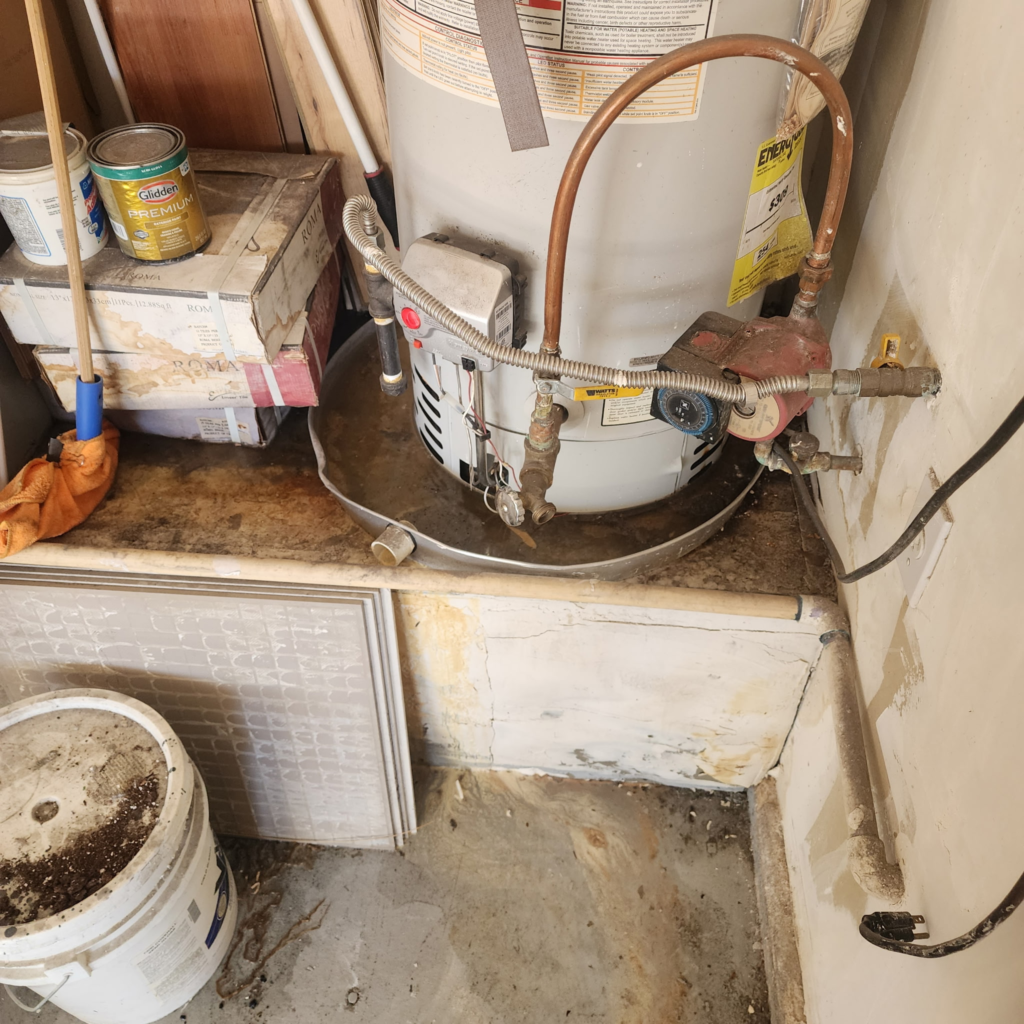
Water heater repair decisions should be based on the actual failure, not only the age of the unit. An older water heater with a minor accessible issue may still be worth repairing, while a newer unit with tank leakage or repeated problems may need a different approach. The condition of the tank, fittings, shutoffs, surrounding area, and any evidence of corrosion or water damage all help determine whether repair or replacement is the more practical choice.
Las Vegas hard water can contribute to mineral accumulation and can affect performance over time. Customers may notice reduced hot-water capacity, unusual sounds, visible deposits, or repeated maintenance issues. Those symptoms do not identify one specific failure by themselves, so safe evaluation is important before parts are replaced. Maintenance history, model information, previous repairs, and the location of any visible leak are useful details to share when requesting service.
If water has escaped from the heater area, the repair plan may need to include more than the equipment. Drywall, baseboard, flooring, insulation, cabinetry, or a platform can be affected. The leak source should be corrected and the area should be properly dried before finish materials are restored. Customers searching water heater repair Las Vegas should send photos of the unit, visible connections, surrounding floor and walls, and the data plate if it can be photographed safely. This helps separate equipment service from related water-damage repairs and creates a clearer scope before work begins.
Water Heater Repair in Las Vegas
Common customer complaints include no hot water, insufficient hot water, visible leakage, unusual sounds, corrosion, water around the base, inconsistent performance, or repeated service problems. These symptoms can have different causes, so diagnosis should come before replacing parts.
- Visible-condition review of the water-heater area
- Leak source review around accessible connections
- Assessment of corrosion and surrounding damage
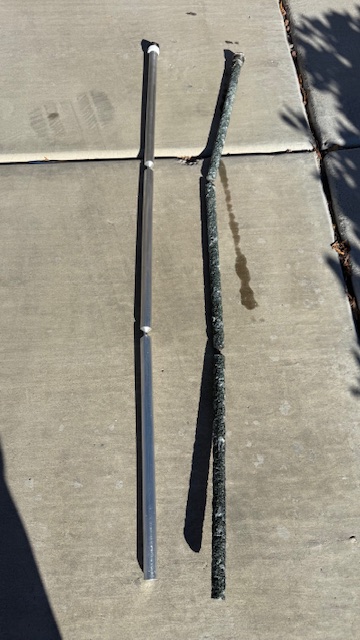
- Maintenance and anode-rod considerations where appropriate
- Repair-versus-replacement planning
- Coordination of drywall and finish restoration after leaks
- Water-damage repair planning after the area is dry
- Rental-property and property-management service coordination
- Replacement planning when repair is no longer practical
- Documentation of visible conditions for estimates
Hard water is especially relevant in Las Vegas because mineral accumulation can affect water-heating equipment and plumbing components over time. Maintenance history, age, visible condition, and the type of unit can all influence whether repair is practical.
If the unit involves gas, high voltage, pressure, combustion venting, or another regulated specialty condition, appropriate qualified service is required. We do not encourage unsafe DIY troubleshooting of those systems.
Why Las Vegas Properties Need Local Experience
Local conditions matter. Heat can dry sealants and finishes. Hard water can shorten the useful life of plumbing fixtures and water-heating components. Dry air can make some building movement and finish cracks more visible. Garages and exterior-facing areas may experience greater temperature swings than conditioned interior spaces.
A local service plan should consider where the problem is located, what materials are around it, whether there is an active leak or moisture source, and whether the visible issue is connected to another system. That evaluation can prevent a simple-looking repair from being completed before the underlying problem is addressed.
For occupied homes, we also plan around furniture, pets, children, parking, gated access, work-from-home schedules, and the need to keep key areas usable. Rental and commercial properties may involve owners, managers, tenants, access codes, building rules, approval limits, and documentation needs.
Common Signs You May Need Water Heater Repair
- No hot water
- Hot water runs out faster than usual
- Water is visible around the tank or nearby connections
- The unit makes unusual sounds
- Corrosion is visible on the tank or fittings
- The same problem keeps returning
- Water damage appears on nearby drywall, flooring, or baseboard
These signs do not always identify the exact cause by themselves. A stain can come from several moisture sources. A noisy or unreliable fixture can have multiple causes. A damaged finish may be only cosmetic, or it may be evidence of an earlier leak or impact. We use the visible information to decide what additional questions or inspection steps are appropriate before the scope is finalized.
Our Water Heater Repair Process
1. Send photos and a clear description
Start with wide photos showing the full area and close photos showing the specific problem. Include the property location, approximate dimensions when relevant, model information when available, and any history you know about the issue.
2. We review the visible conditions
We look for access limitations, nearby finishes, signs of water, evidence of previous repairs, and other conditions that may affect the work. Some projects can be estimated from good photos; others need an on-site review.
3. We define the scope
The written proposal should identify the work to be performed, major materials or allowances, exclusions, cleanup expectations, and whether additional testing, permits, inspections, or specialty trades may be required.
4. We schedule and prepare
After approval, we coordinate timing and materials. Customers should clear the immediate work area and provide safe access to the relevant room, garage, shutoff, panel, attic access, or other location when applicable.
5. We complete and review the approved work
We protect the immediate area as appropriate, perform the agreed work, remove normal project debris included in the scope, and review the completed items. If concealed conditions change the project, we pause and explain the available options before proceeding with additional work.
Residential Water Heater Repair in Las Vegas
Homeowners usually want two things: the problem handled correctly and the property left looking organized. We plan residential work around the surrounding finishes, access, occupied rooms, and any connected repair that may need to happen before final restoration.
For larger repair lists, it can be more efficient to combine compatible work in one visit. A customer may need reviewing the water-heater problem, correcting an accessible leak within scope, replacing damaged trim or drywall after drying, and planning replacement if the existing equipment is no longer practical to repair. Grouping the work allows protection, setup, material planning, and cleanup to be coordinated more efficiently.
When the project affects a bathroom, kitchen, laundry area, garage, or utility space, send photos of the entire area rather than only the damaged component. The surrounding layout often determines access and the most practical repair approach.
Rental Property and Property-Management Service
Rental properties require clear communication because the person approving the work may not be the person providing access. We work with owners and property managers on turnover lists, resident repair requests, move-out damage, inspection repairs, and maintenance items that need documentation.
Before scheduling, confirm access authority, contact information for the occupant, parking or gate instructions, approved spending limits, and whether the property is vacant. Photos before and after work can help document the visible condition.
If several units or properties need service, provide a separate list for each address. Consistent labeling of photos and rooms reduces mistakes and helps the proposal match the actual request.
Commercial and Small Business Service
Commercial properties may need service with minimal interruption to staff and customers. Offices, retail suites, restaurants, warehouses, and managed buildings may also require certificates of insurance, loading instructions, after-hours access, elevator reservations, or property-management approval.
Provide those requirements early. A small repair can become difficult to schedule if the service team arrives without the building information needed for access or authorization. Clear planning helps the work move efficiently and avoids preventable return trips.
For recurring commercial needs, keeping a record of model numbers, paint colors, approved materials, access contacts, and building rules can make future service faster and more consistent.
Pricing for Water Heater Repair in Las Vegas
Pricing depends on labor time, materials, access, height, protection, demolition, disposal, diagnosis, finish work, and hidden conditions. A straightforward replacement with clear access costs differently from a project that requires troubleshooting, opening finished surfaces, correcting water damage, or coordinating several steps.
For the most accurate estimate, include photos and as much relevant information as possible. If a product is already purchased, send the model number or product link. If the work follows another repair, show the area before it is closed or covered.
When comparing estimates, compare the complete scope rather than only the total price. Check whether materials, disposal, surface restoration, paint, trim, permits, or return visits are included. A lower number is not necessarily a lower final cost if important steps are excluded.
What to Send Before We Schedule
- Property address or ZIP code
- Wide and close photos of the problem
- Approximate dimensions when relevant
- Product model numbers or links for customer-supplied items
- Information about leaks, water damage, previous repairs, or recurring symptoms
- Gate, parking, HOA, building, or property-management instructions
- Your preferred timing and any access restrictions
Good information makes the estimate more accurate and helps us arrive prepared for the actual project.
How We Decide Between Repair and Replacement
Repair is often practical when damage is localized and the surrounding material is sound. Replacement may make more sense when the component is heavily deteriorated, has repeated failures, is incompatible with the planned work, or would cost nearly as much to repair as to replace.
Age alone does not always determine the answer. Condition, access, parts availability, performance, safety, and future plans for the property all matter. We explain the visible factors so the customer can make an informed decision rather than automatically choosing the most expensive option.
Preventing Repeat Problems
A finished repair should not hide an active cause. If a wall was damaged by a leak, the leak must be corrected first. If a fixture repeatedly fails because of a larger supply or drainage issue, replacing only the visible part may not solve the problem. If moisture is still present, closing or painting the area too early can create additional damage.
We encourage customers to address the source condition before cosmetic restoration. That may mean coordinating with another trade or allowing proper drying time before the final repair is completed.
Service Areas
We serve Las Vegas, Summerlin, Spring Valley, Enterprise, Paradise, North Las Vegas, Henderson, Green Valley, Anthem, and nearby communities subject to scheduling and project scope. Customers outside these areas can still contact us with the property address so we can confirm availability.
Safety and Scope Considerations
Water heaters can involve hot water, pressure, gas, combustion venting, and high voltage. If you smell gas, see active electrical hazards, or have uncontrolled leaking, stop using the equipment and contact the appropriate emergency or qualified specialty provider. Do not attempt unsafe DIY repairs.
We do not recommend guessing when a repair may involve gas, major electrical hazards, structural conditions, active flooding, or other high-risk situations. Those conditions should be evaluated and handled by the appropriate qualified professional. Our role is to define the visible scope carefully, explain what can be handled, and identify when additional specialty work is needed before finishing repairs.
Related Call 4 Handyman Services
Many service requests overlap. A single project may involve wall repair, trim, painting, fixture replacement, flooring, or water-damage restoration. Related pages include handyman services Las Vegas, drywall repair Las Vegas, plumbing handyman Las Vegas, and water damage repair Las Vegas.
Frequently Asked Questions About Water Heater Repair
Do you provide water heater repair in Las Vegas?
We can review the visible condition and handle work that fits our authorized scope, while routing regulated gas, electrical, venting, or other specialty work appropriately.
Why is my water heater not making enough hot water?
Several conditions can cause reduced capacity. Age, mineral buildup, failed components, household demand, and equipment condition may all matter.
What should I do if the water heater is leaking?
Protect the property, stop the water safely if you know the correct shutoff, and contact an appropriate service provider. Uncontrolled leaking can cause significant damage.
Can a leaking water heater be repaired?
Sometimes the leak is from an accessible connection; other leaks can indicate tank failure. The source must be identified before deciding on repair.
Should I repair or replace my water heater?
That depends on age, condition, type of failure, repair cost, efficiency, and parts availability.
Does hard water affect water heaters?
Yes, mineral buildup can affect equipment over time and is common in the Las Vegas Valley.
Can you replace an anode rod?
We have a dedicated water-heater anode rod service page. The unit condition and access determine whether the work is appropriate.
Can you repair drywall after a water-heater leak?
Yes, once the leak is corrected and the affected area is dry.
Do you handle rental-property water heater issues?
Yes, we can coordinate evaluation, access, related repairs, and documentation with owners or managers.
Do you provide emergency water heater repair?
Availability varies. Gas odor, active electrical hazards, or uncontrolled flooding require the appropriate emergency or specialty provider.
Can you install a new water heater if repair is not practical?
We can review replacement planning and coordinate the project within the proper scope.
How do I get an estimate?
Send photos of the unit, visible connections, surrounding damage, property location, and the data plate if safely accessible.
Request Water Heater Repair Service in Las Vegas
Send photos, the property location, and a short description of what is happening. We will review the visible conditions, confirm whether the project fits our service scope, and explain the next step.
Call (702) 752-0758 or request an estimate online. Licensed, Insured, Bonded.
Service image from Call 4 Handyman media library.
Planning a Successful Water Heater Repair Project
Good results usually come from good preparation. Before the appointment, make sure the work area is accessible, personal items are moved when practical, and any product choices have been confirmed. If a customer-supplied product is part of the project, verify that all required components, mounting hardware, adapters, trim pieces, valves, connectors, or accessories are present before work begins.
Projects can be delayed when the visible problem turns out to be only one part of a larger condition. That is why we ask about history. Repeated leaks, recurring stains, previous patching, unusual sounds, inconsistent performance, or repeated failures are important clues. Share those details even if they seem unrelated.
For occupied homes, tell us about pets, sleeping children, work-from-home needs, medical equipment, or any area that must remain available. For rental properties, confirm who will provide access and who has authority to approve changes. For commercial work, send building requirements before the appointment.
Why Clear Scope Matters
A clear scope protects both the customer and the service provider. It explains what is included, what is excluded, what materials are expected, and what condition the finished work should reach. It also provides a reference if hidden damage changes the project after work begins.
When a proposal says only “repair” without describing the area, material, finish, or related work, misunderstandings are more likely. We prefer to identify the relevant room or location, visible condition, planned action, and major finish expectations whenever practical.
If the customer wants several related tasks completed, those items should be listed individually. A detailed repair list makes it easier to confirm that nothing was missed and helps with future maintenance records.
What Makes Local Service More Efficient
Local service is not only about distance. Familiarity with common Las Vegas property conditions helps with planning. Hard-water deposits, sun exposure, dry-air shrinkage, garage heat, heavy cooling demand, and rapid wear on exterior finishes are common here. Recognizing those patterns can make the first conversation more useful.
We also understand that many Las Vegas neighborhoods have gated access, HOA rules, property-management procedures, vacation rentals, second homes, and investor-owned properties. Clear scheduling and communication are especially important when the owner is not physically present.
Before-and-After Expectations
Some repairs can return an area to a nearly new appearance. Others involve aged materials, discontinued products, faded paint, previous repairs, or surrounding wear that cannot be duplicated exactly. We explain practical expectations before the work begins when matching is part of the project.
For finish work, the surrounding surface often determines whether spot repair is enough or whether a larger area should be refinished. Customers who want the most uniform appearance may choose to expand painting, trim replacement, or finish work beyond the smallest repair zone.
Communication During the Job
If a project changes after demolition or access, we communicate before adding work. Hidden rot, moisture, damaged backing, incorrect previous installation, missing shutoffs, or incompatible parts can affect the original plan. Customers should understand the new condition and approve the next step before additional work continues.
This approach keeps the project organized and avoids surprises. It also gives the customer a chance to decide whether to repair, replace, postpone, or bring in another specialist when that is the better option.