
Stucco repair in Las Vegas is more important than many homeowners realize. The desert climate, extreme heat, strong UV rays, and sudden temperature changes can quickly wear down exterior surfaces. Small issues like hairline cracks or discoloration may seem harmless at first. A changing defect may indicate a problem that needs assessment before the wall is refinished.
Early assessment can help establish the appropriate scope before more work is planned. This article explores the critical warning signs that your home needs professional stucco repair and why acting fast is the best way to protect your investment.
Why Stucco is the King of Las Vegas Exteriors
Stucco is a cement based plaster that is breathable yet solid. It provides an extra layer of insulation, which is vital when you are trying to lower your energy bills in July.
It is also fire resistant and holds up well against the intense UV rays that would cause wood or vinyl siding to warp and peel within just a few years. But while stucco is built to last, it isn’t invincible. Between the expansion and contraction caused by temperature swings and the hidden moisture that can trap itself during a rare desert downpour, your stucco needs regular check ups.
Warning Signs Your Las Vegas Home Needs Professional Stucco Repair
If you notice any of the following symptoms on your home’s exterior, it’s time to call in a professional handyman in Las Vegas.
1. Cracks That Keep Growing
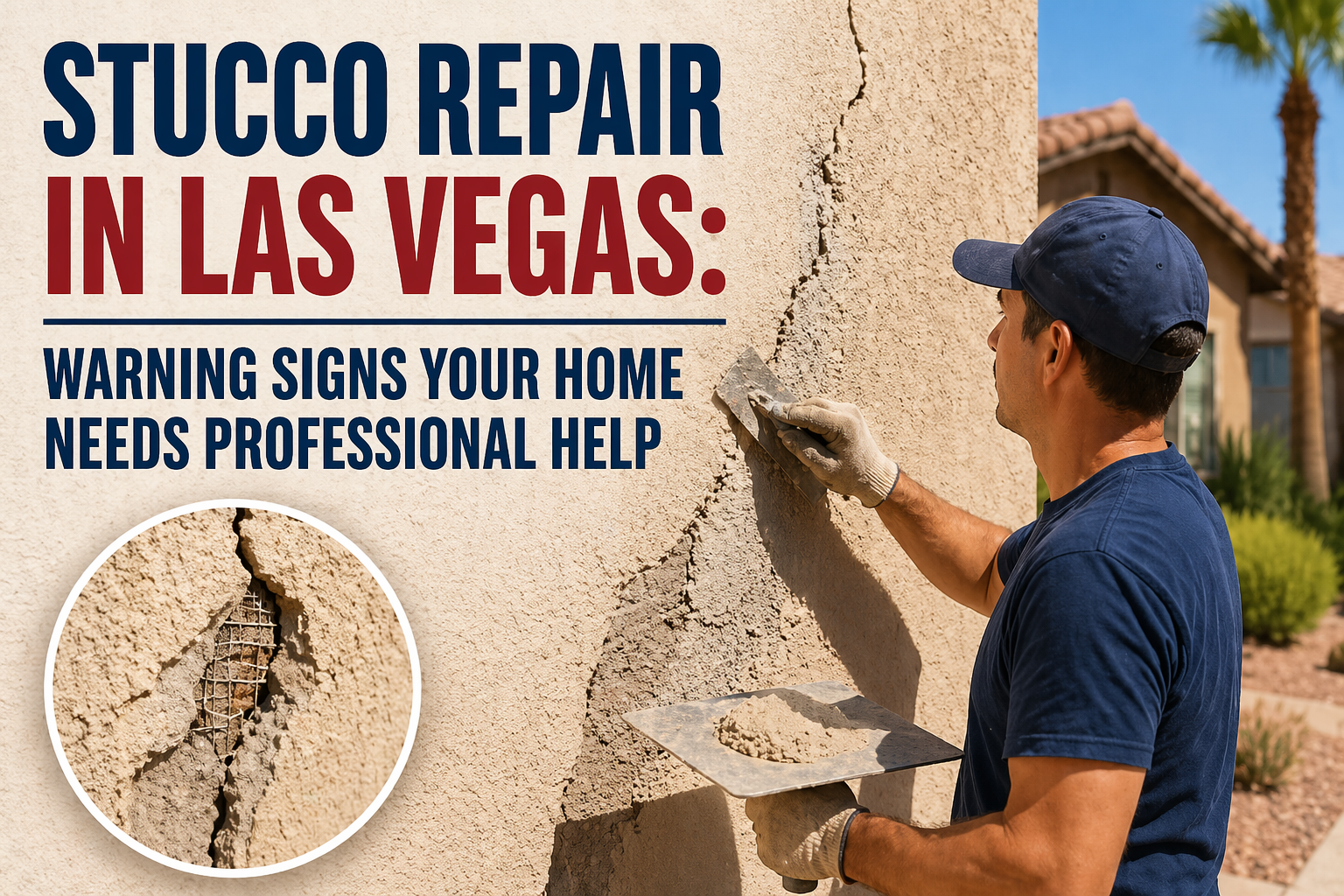
Not all cracks are created equal. Hairline cracks, those thin, barely visible lines, are relatively normal as stucco settles and expands with temperature changes. However, if you notice cracks that are wider than 1/8 inch, growing over time, or forming stair step patterns, you have a serious problem on your hands.
Why it matters: Large or expanding cracks allow water to penetrate behind the stucco surface. In Las Vegas, our monsoon season may be short, but when it rains, it pours. Water intrusion through cracks can damage the underlying structure, insulation, and interior walls. During our hot summers, these cracks can also compromise your home’s energy efficiency, forcing your air conditioning to work harder.
What to look for:
- Vertical cracks longer than a few inches
- Horizontal cracks near windows or doors
- Stair step patterns following mortar lines
- Cracks that widen noticeably over months
If you spot any of these patterns, it’s time to call a professional handyman in Las Vegas. Our team at Call 4 Handyman can assess whether the cracks indicate foundation settling, improper installation, or moisture damage and fix them before they worsen.
2. Staining or Discoloration
Brown streaks, dark patches, rust colored stains, or white chalky deposits on your stucco are more than cosmetic issues. They’re red flags for water damage. These stains typically appear after rain or near irrigation systems and indicate that your stucco’s water resistant barrier has failed.
Read Also: Water Damage Repair in Las Vegas: What Homeowners Should Do First
Why it matters: Staining means water is getting where it shouldn’t. Brown or rust stains often signal that metal lath or fasteners behind the stucco are corroding. White efflorescence (those chalky deposits) occurs when water dissolves salts in the stucco and brings them to the surface as it evaporates. Both conditions mean moisture is actively moving through your walls.
What to look for:
- Dark streaks running down from the roof lines or windows
- White, powdery deposits on the surface
- Rust colored stains near fasteners or corners
- Green or black patches indicating mold or mildew
Las Vegas homeowners often overlook staining because our dry climate makes it seem less urgent. Don’t be fooled, even in the desert, trapped moisture can cause significant damage. Professional stucco repair can identify the source of water intrusion and seal it properly.
3. Bulging or Warped Walls
When you look at your home’s exterior, the stucco should appear flat and uniform. If you notice bulges, ripples, or areas where the stucco seems to bow outward, you’re looking at a serious structural issue that requires immediate attention.
Why it matters: Bulging stucco means water has gotten trapped between the stucco and the wall substrate. As moisture accumulates, it creates pressure that pushes the stucco away from the wall. This not only ruins your home’s appearance but also creates gaps where pests can enter and allows further water damage to occur. In extreme cases, bulging stucco can detach completely from the wall.
What to look for:
- Areas that appear swollen or puffy
- Sections of stucco that sound hollow when tapped
- Visible separation between stucco and trim
- Rippled or wavy texture on previously smooth walls
4. Mold or Mildew Growth
Seeing green, black, or gray patches on your stucco? That’s mold or mildew, and it’s a clear sign that moisture is present where it shouldn’t be. While some homeowners think mold is just a cleaning issue, it actually indicates a deeper problem with your stucco’s ability to shed water.
Why it matters: Stucco is porous by nature, but when properly sealed and maintained, it should resist moisture absorption. Mold growth means water is staying on or in your stucco long enough for microorganisms to thrive. This is particularly concerning in Las Vegas, where our low humidity should naturally discourage mold growth. If mold appears despite our dry climate, you have a significant moisture problem.
Mold can pose health risks to your family, especially for those with allergies or respiratory conditions. It can also spread to the interior of your walls, creating an even more expensive remediation project.
What to look for:
- Dark spots or patches that won’t wash away
- Fuzzy or slimy texture on the stucco surface
- Musty odors near affected walls
- Mold appears repeatedly in the same spots after cleaning
Professional stucco repair doesn’t just remove the mold. It addresses the underlying moisture issue to prevent it from returning. Our experienced handyman team in Las Vegas can identify why water is accumulating and fix it at the source.
5. Soft or Crumbling Areas
Your stucco should feel solid and firm to the touch. If you gently press against your exterior walls and find soft spots or if pieces of stucco crumble away easily, the material is deteriorating and needs immediate professional attention.
Why it matters: Soft or crumbling stucco indicates a loss of structural integrity. This typically happens when the stucco’s top layer erodes due to age, poor installation, or prolonged water exposure. In Las Vegas, the intense UV radiation from our year round sunshine can also break down stucco over time, especially if it wasn’t properly sealed.
Once stucco starts crumbling, it can no longer protect your home effectively. The deterioration will accelerate, exposing more of the underlying structure to damage. What starts as a small soft spot can quickly become a large area requiring complete stucco replacement.
What to look for:
- Areas that feel spongy or give when pressed
- Stucco that flakes or chips off easily
- Chalky residue that rubs off on touch.
- Visible erosion of the stucco surface
Don’t wait until large sections are falling off. Early intervention by a skilled Las Vegas handyman can often save most of the existing stucco with targeted repairs rather than complete replacement.
The Risks of Ignoring Stucco Damage
It is tempting to look at a small crack and think, “I’ll get to that next year.” However, stucco damage is progressive. Here’s what happens when you wait:
- Structural Rot: Water behind stucco rots the plywood sheathing and the 2×4 studs of your home. By the time you see the damage on the inside, the structural integrity of your wall may be compromised.
- Pest Infestations: Cracks and holes are open invitations for ants, termites, and scorpions to enter your home.
- Higher Energy Bills: If moisture has saturated your insulation, its R value drops significantly. Your AC will have to work twice as hard to keep your home cool.
- Decreased Curb Appeal: Stucco damage is one of the first things a home inspector or potential buyer will notice. It can shave thousands of dollars off your home’s value.
Why DIY Stucco Repair is a Risk
You might see “stucco patch” kits at the local hardware store, but DIY stucco repair in Las Vegas is notoriously difficult for three reasons:
- Color Matching: Stucco fades in the sun. Even if you have the original paint code, a new patch will stand out like a sore thumb unless the professional knows how to blend and “feather” the finish.
- Texture Matching: From “Heavy Lace” to “Sand Finish,” matching the specific texture of your existing stucco requires an artistic touch and specialized tools.
- Missing the Root Cause: A DIYer might patch a crack, but a professional will identify why it appeared (e.g., a leaking gutter or a failing window seal) and fix the underlying issue.
Choosing a Professional for Stucco Repair in Las Vegas
When you need stucco repair in Las Vegas, you need a team that understands the specific challenges of the Mojave Desert. You need a team that offers:
- Local Expertise: Familiarity with Las Vegas building codes and common architectural styles in Henderson, Summerlin, and North Las Vegas.
- Comprehensive Service: The ability to not just patch the stucco, but also handle the painting, caulking, and any underlying wood or drywall repair.
- Reliability: A team that shows up on time, provides a clear estimate, and stands behind their workmanship.
Why Call 4 Handyman Las Vegas is Your Best Choice
At Call 4 Handyman Las Vegas, we pride ourselves on being the valley’s most trusted home repair experts. Whether you have minor hairline cracks or significant water damage, we provide professional, high quality stucco solutions tailored to your home’s needs.
Our Stucco Repair Process:
- Inspection: We identify the source of the damage, checking for moisture and structural issues.
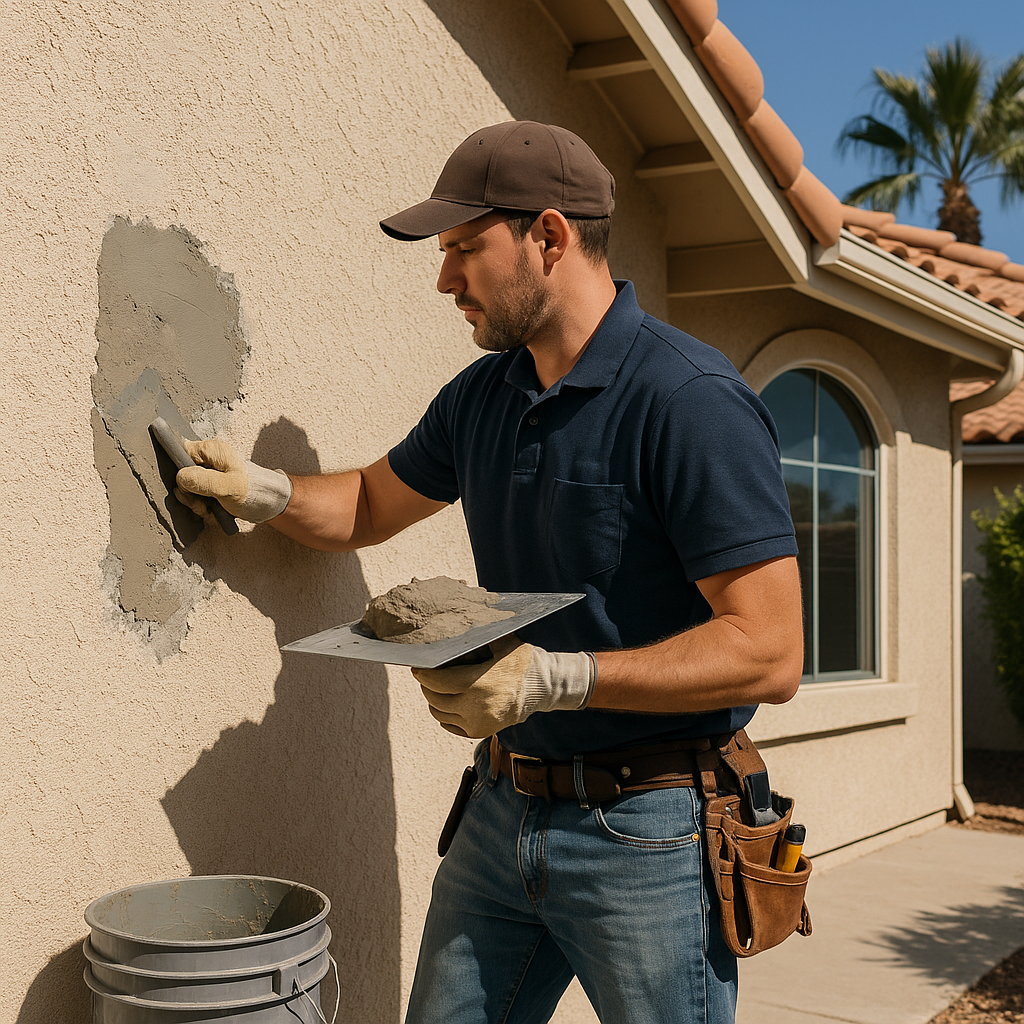
- Preparation: We remove any loose or damaged stucco and clean the area to ensure a strong bond.
- Repair: We apply high quality cementitious materials, matching the layers and texture of your existing wall.
- Finishing: We use professional grade coatings and paints to ensure a seamless, weather resistant finish.
We understand how Las Vegas’s unique climate affects stucco and know exactly what it takes to make repairs that last. We serve all of Las Vegas, including Summerlin, Henderson, North Las Vegas, Anthem, Sun City, and surrounding areas.
Protect Your Biggest Investment Today
Don’t let a small crack become a major structural failure. In the Las Vegas heat, stucco damage accelerates quickly. Whether you have noticed a few suspicious stains or you can see the metal mesh peeking through your walls, Call 4 Handyman Las Vegas is here to help.
Need a professional handyman for Stucco Repair in Las Vegas? Call us today for your FREE Handyman Estimate. Our experienced team is ready to bring your home’s exterior back to its original condition. Visit us at Call 4 Handyman Las Vegas to learn more about our services.
FAQs about Stucco Repair in Las Vegas
1. How much does stucco repair cost in Las Vegas?
The cost depends on the severity of the damage. A small crack repair might cost a few hundred dollars, while a large delamination fix can be more. However, repairing stucco is always significantly cheaper than a full home restucco, which can cost $15,000 to $30,000. We offer free, no obligation estimates to give you an exact price.
2. Can I just paint over stucco cracks?
No. Paint is not a structural filler. While “elastomeric paint” can bridge very tiny hairline cracks, larger cracks will continue to move and breathe. Painting over them just hides the moisture trap, which can lead to rot. The crack must be properly patched before painting.
3. How long does a stucco repair last?
A professional repair using high quality materials and proper curing techniques can last as long as the rest of your home’s exterior. At Call 4 Handyman, our work is backed by guaranteed workmanship.
4. Is it normal for new Las Vegas homes to have stucco cracks?
Some minor hairline cracks are normal as a new home settles into the desert soil. However, if cracks appear within the first year and are wider than a string, you should have them inspected to ensure there isn’t a larger structural issue.
5. Why is my stucco crumbling at the very bottom of the wall?
This is usually a problem with the weep screed. If your landscaping or dirt has buried the bottom edge of your stucco, moisture cannot escape. This causes the stucco to stay wet and eventually crumble. We can repair these sections and advise you on how to adjust your landscaping to prevent a recurrence.
How to Document the 5 Warning Signs Before a Repair Estimate
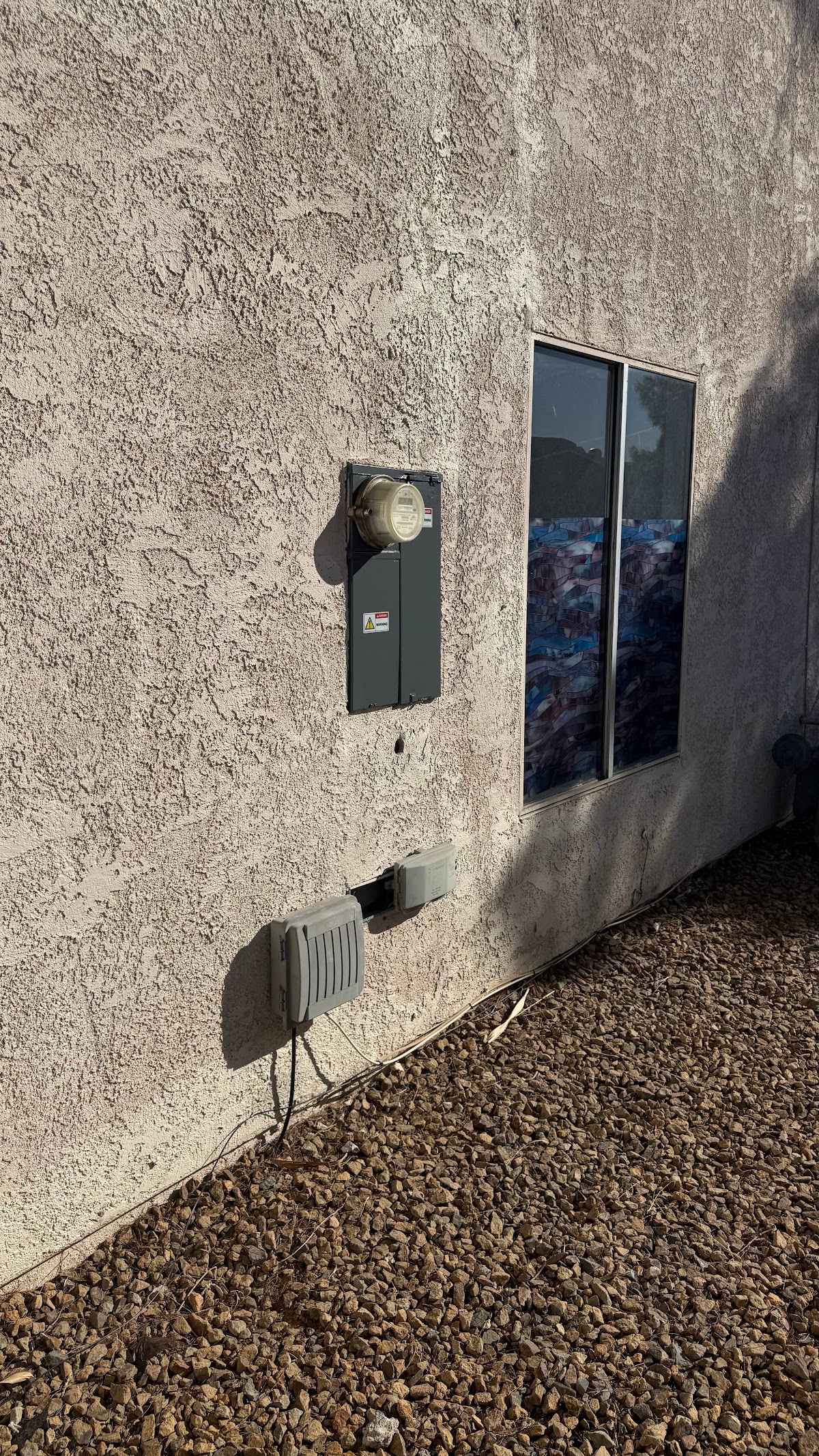
Photographs are most useful when they show both the defect and its position on the building. Start with a wide view of the wall elevation, then take a closer view from a safe location. Label the room or exterior side involved and record the date. Tell the provider which symptoms have changed, rather than trying to diagnose the wall from a single mark. The following observations can help organize a more useful site assessment.
Record How a Crack Changes
If a crack has been patched before, gather photographs or invoices from that work. Explain whether the new line follows the old patch and when it returned. Note nearby changes, including a door or window that has recently become difficult to operate. A crack alone does not establish a structural diagnosis. Ask the provider what can be assessed during the repair visit and whether unusual movement needs a separate specialist before cosmetic work proceeds.
Connect Stains With a Timeline
Describe whether discoloration appears after rainfall, irrigation, plumbing use, or an event whose source is uncertain. Provide the approximate date it began and any related interior observations. Do not assume that a stain identifies its own source. A written repair proposal should distinguish investigating the cause from restoring the exterior finish. If the responsible professional cannot establish the source during the initial visit, ask what further assessment is needed before the surface is covered.
Explain Where the Surface Bulges
Use a wide photograph to show the location of a raised area without pressing on it, opening it, or climbing to reach it. Tell the team whether it is near an opening, roof line or previous patch. Keep people away from loose material. Ask what access and protection the assessment will require. A quotation based on a photograph may need to change after the actual condition is examined, so discuss how additional work would be approved.
Report Growth or Odors Without Disturbance
If you suspect growth or notice an unusual odor, tell the provider before sanding, washing or coating is scheduled. Appearance alone does not establish the type of growth or the extent of hidden moisture. Ask who will evaluate that concern and how it changes the sequence. Cosmetic repair should follow the appropriate assessment and preparation. Avoid asking a painting crew to hide an unresolved symptom merely to meet a showing or inspection deadline.
Describe Softness and Crumbling From a Safe View
Record where material appears to break away and whether the condition has spread. Note previous impacts, nearby soil or irrigation, and any related maintenance history without declaring those observations to be the cause. Ask the provider to define what must be removed and what will remain. A clear repair boundary helps distinguish a local patch from broader replacement. Keep completion records specific to the work actually performed, including the affected elevation and agreed coating area.
Compare the Proposed Finish With Your Expectations
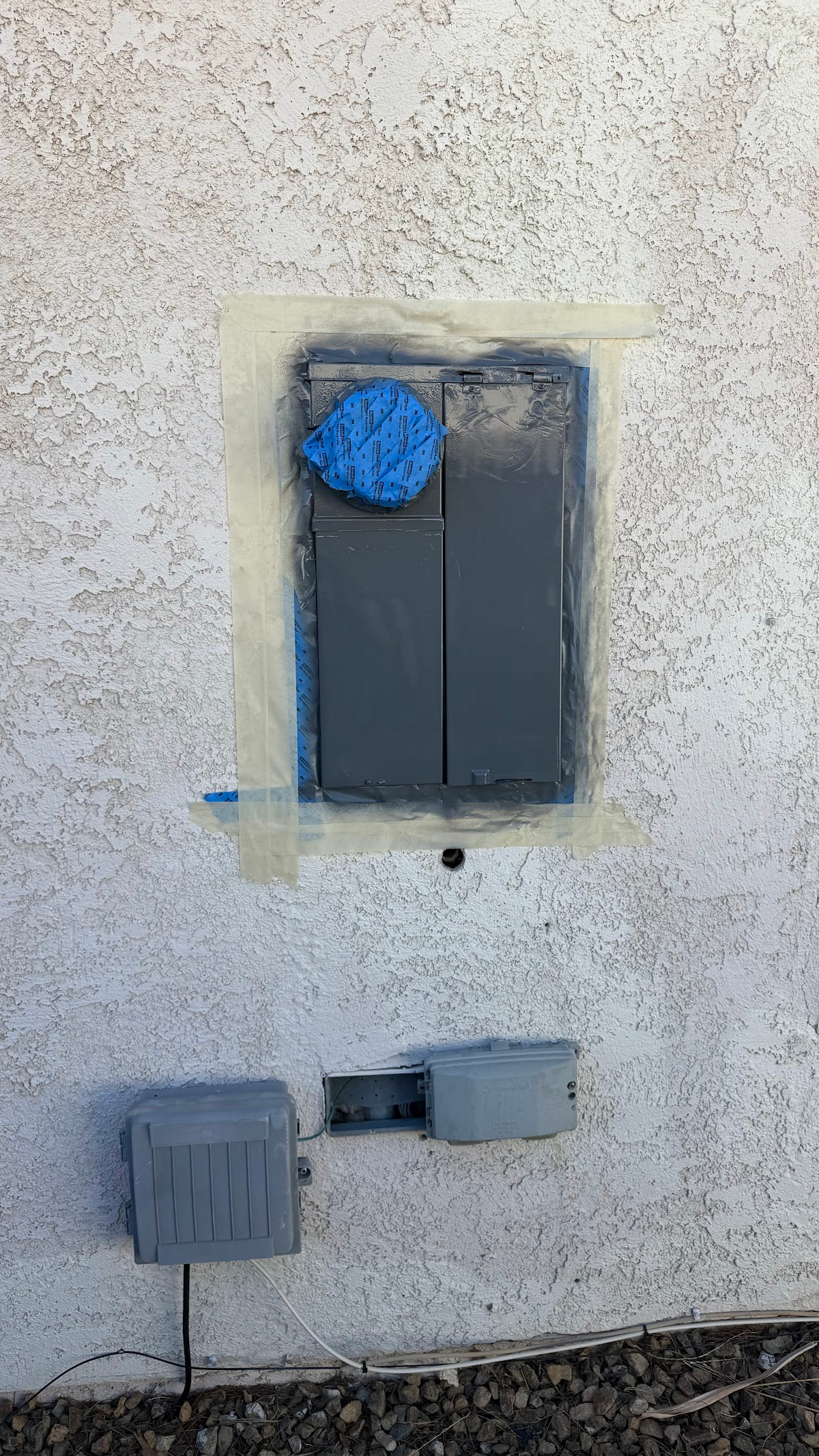
Ask whether the estimate includes texture, primer, paint and cleanup, or only the underlying patch. Discuss the visibility of a transition under normal daylight and whether coating a broader area is recommended. Keep finish samples and selected product information with the approved scope. If you are preparing a property for sale or rental, keep dated photographs and invoices together. A localized repair should not be described to a future reviewer as replacement of the whole exterior wall system.
Stucco Project and Planning References