
Black mold and other mold growth can develop in Las Vegas homes when moisture becomes trapped inside walls, beneath flooring, around plumbing fixtures, or near air-conditioning systems. Although Southern Nevada has a dry climate, plumbing leaks, AC condensation, water damage, and poor ventilation can still create conditions that allow mold to grow. Recognizing the warning signs early can help homeowners address the moisture source before the damage becomes more extensive.
What Exactly is Black Mold?
“Black mold” is a common term used to describe dark-colored mold growth, including but not limited to Stachybotrys chartarum. Mold can appear in different colors and textures depending on the species, surface, moisture conditions, and stage of growth. Visual appearance alone is generally not enough to identify a specific mold species, so suspicious growth should be evaluated based on the moisture source, extent of damage, and, when appropriate, professional assessment or testing.
The Las Vegas Paradox: Why Desert Homes Aren’t Safe
You might think the Mojave Desert is too dry for mold, but Las Vegas homes face unique risks:
- Air Conditioning Condensation: In the heat of summer, AC units run nonstop. Condensation can build up in drain lines or around vents, dripping into wall cavities.
- Hidden Plumbing Leaks: A pinhole leak in a pipe behind a kitchen wall can go unnoticed for months in the desert heat, providing constant moisture to dark, enclosed spaces.
- Slab Leaks: Many Las Vegas homes are built on concrete slabs. A leak underneath can wick moisture up into the baseboards and flooring.
- Poor Ventilation: Bathrooms and laundry rooms without adequate exhaust fans trap steam, creating a micro climate where mold flourishes.
Top 5 Visual Signs of Black Mold Identification
Detecting mold visually is the most direct way to identify an issue. Look for these specific indicators:
1. Dark, Sooty Clusters
Dark spots or clusters on a damp surface may warrant assessment. Dirt, staining, and different molds can look similar; a photograph or visible texture does not identify a species. Do not rub or disturb the material to test it.
2. Bubbling or Peeling Paint
Bubbling, cracking, or peeling paint can indicate moisture damage. These signs do not prove that mold is present, but recurring damage near plumbing or a roof leak deserves investigation.
3. Discoloration on Baseboards
In Las Vegas, baseboard mold is common due to floor level leaks. Look for yellowish, brownish, or black stains on the wood or MDF baseboards.
4. Slimy or Velvety Texture
Growth can have different textures. Texture does not establish whether black mold is active, dormant, or a particular species. Do not touch suspected growth to identify it.
5. Warped Drywall or Flooring
Moisture can cause drywall and flooring materials to swell or warp. If drywall feels soft or flooring begins to cup, investigate the source of the moisture and check the surrounding area for possible mold growth.
The “Sniff Test”: Recognizing the Mold Odor
How to Check Your Las Vegas Home for Signs of Mold
1. Look for visible discoloration
Check drywall, ceilings, baseboards, cabinets, and areas around plumbing fixtures for unusual dark, greenish, brown, or discolored patches.
2. Check for moisture damage
Look for bubbling paint, peeling finishes, swollen baseboards, soft drywall, warped flooring, or water stains. These can indicate a moisture problem that may support mold growth.
3. Inspect areas near plumbing
Check underneath sinks, around toilets, behind washing machines, near water heaters, and around refrigerators with water supply lines.
4. Check bathrooms and HVAC areas
Inspect around showers, tubs, bathroom vanities, AC equipment, condensate drain areas, and vents where moisture may collect.
5. Pay attention to persistent musty odors
A recurring musty or damp smell can indicate hidden moisture or possible mold growth, even when nothing is immediately visible.
6. Have suspicious areas evaluated when necessary
Visible appearance alone cannot reliably identify a particular mold species. If you find significant growth, recurring moisture, or hidden water damage, consider having the area professionally evaluated.
A persistent musty odor can suggest a dampness problem. Smell cannot distinguish black mold from other types of mold. Homeowners may describe a damp space as:
- Musty: Like an old, damp basement.
- Earthy: Similar to rotting wood or wet leaves.
- Damp: A persistent smell of moisture that doesn’t go away with air fresheners.
If a specific room or closet has a “funky” smell that persists even after cleaning, arrange an assessment of the moisture source rather than opening a wall yourself.
Read Also: Signs of Mold in Your Home
Mold Concerns and Health Questions
CDC notes that damp and moldy environments can cause allergy-like or respiratory symptoms in some people, while others have no symptoms. Symptoms do not identify black mold or prove a building is the cause. Discuss persistent symptoms with a healthcare professional; seek urgent medical help for significant breathing difficulty.
Hidden Hotspots for Mold in Las Vegas
Because we live in a dry climate, mold doesn’t usually sit out in the open. It hides where the moisture is trapped:
- Behind the Refrigerator: Leaking water lines for ice makers are a top cause of kitchen mold.
- Under the Kitchen Sink: Slow drips from garbage disposals or P-traps.
- Inside AC Vents: Moisture or suspected growth near HVAC equipment should be evaluated by an appropriate professional.
- Behind Bathroom Vanities: Moisture from showers often seeps into the gaps between the vanity and the wall.
- Laundry Rooms: Steam from dryers and leaks from washing machine hoses.
How to Prevent Black Mold Before It Spreads
Prevention is always cheaper than remediation. Follow these desert living tips:
- Monitor Humidity: Keep indoor humidity below 50%. Use a hygrometer to track levels.
- Inspect AC Units: Regularly clear AC drain lines and check for leaks in the attic or utility closet.
- Seal Your Home: Check around windows and doors for water entry while maintaining appropriate ventilation.
- Address Leaks Immediately: If you notice a drip, don’t wait. Call 4 Handyman Las Vegas at 702-752-0758 for fast plumbing repairs and water damage dry-out services.
- Use Exhaust Fans: Run bathroom fans for at least 20 minutes after every shower.
Read Also: Water Damage vs. Mold
When to Call a Professional
Larger areas of mold growth, recurring mold, significant water damage, or growth inside wall cavities may require professional assessment and remediation. Disturbing mold-contaminated materials can release spores and particles into the air, so the affected area and moisture source should be evaluated carefully before damaged materials are removed.
2. Can I remove black mold myself?
Cleanup decisions depend on the affected area, material, water source, and occupants. Do not classify all black mold as toxic based on its color. For extensive growth, recurring moisture, suspected HVAC contamination, or hidden damage, arrange professional assessment before disturbing materials.
3. How long does it take for black mold to grow?
Mold can begin to colonize within 24 to 48 hours after a water event (such as a leak or flood). This is why immediate “dry out” services are essential for prevention.
4. Does homeowners’ insurance cover mold removal?
Coverage depends on the policy, cause of loss, exclusions, limits, and the insurer’s assessment. Contact your insurer with dated photos and repair records; do not assume that every black mold or water-damage situation is covered.
5. How can I tell if mold is behind my wall?
Common signs include a persistent musty smell, bubbling paint, or drywall that feels soft or damp. Moisture meters and thermal imaging can help locate possible damp areas, but they do not identify mold species or confirm hidden mold by themselves. Further assessment may be needed.
Conclusion
Identifying black mold in Las Vegas requires a vigilant eye and a proactive approach. You can catch mold before it spreads by understanding that even desert homes are susceptible to moisture related issues such as AC condensation and hidden leaks. Pay attention to recurring dampness, visible changes, and water stains.
Early assessment helps you understand the moisture problem and plan repairs before further damage develops. For professional assistance with mold removal or repairs, trust the experts at Call 4 Handyman Las Vegas to restore your home safely.
What to Record Before a Black Mold Assessment
A useful inspection request begins with a simple history of the problem. Note the first date you noticed a stain, odor, or wet material. Write down whether it changed after rain, a plumbing repair, a shower, or normal AC operation. Record the room and the nearby fixtures. These observations give the assessor a starting point without pretending to establish a diagnosis. If the concern is in a rental or condominium, share the observations with the responsible property manager so access and any building-level plumbing issue can be coordinated.
Take a wide photograph showing the location and a closer photograph of the visible area from a safe position. Include a familiar object nearby for scale if practical, but do not place anything into suspected growth. Avoid scraping, sanding, or brushing the surface to improve the photo. Keep the original images and dates. When black mold is suspected behind a cabinet or wall, explain what you can see and what is inaccessible. Do not describe an uninspected cavity as confirmed contamination. A careful description helps the team decide what access may be required.
Separate Moisture Investigation From Cosmetic Repair
A room can have water damage without confirmed black mold. The first practical question is where the moisture came from and whether it is still present. A leaking supply connection, roof opening, overflowing fixture, or condensation problem can require different repairs. Ask the assessor to distinguish confirmed findings from possible causes. If a source cannot be verified during the first visit, request an explanation of what additional investigation would help. This keeps the proposed work tied to evidence rather than to the darkest-looking mark on the wall.
Painting, caulking, and replacing trim may improve appearance, but they do not establish that the underlying moisture problem has been addressed. Ask how the area will be evaluated before new finishes are installed. A clear plan separates source repair, any needed cleanup, assessment of affected materials, and restoration. If different providers handle those stages, agree on who is coordinating the sequence. For a black mold concern, knowing who checks the source and who authorizes reconstruction is more useful than rushing to cover the visible stain.
Questions to Ask When Comparing Assessment and Repair Proposals
Request a written description of the affected rooms and materials. Ask which observations support the proposed work, which areas could not be inspected, and whether further access is needed. The estimate should distinguish investigation, cleanup, removal, drying, reconstruction, and finishing where those tasks apply. Ask what is included in the quoted price and how additional discoveries will be handled. Avoid comparing a limited inspection fee with a full restoration proposal as though they cover the same service. Clear inclusions make the comparison fair and reduce surprises.
If the proposal includes sampling, ask what specific question it is intended to answer and how the result would change the work. EPA explains that visible growth often does not require sampling, and federal limits for airborne mold have not been established. Read the EPA guidance on mold sampling before purchasing tests solely to name black mold. A provider should be able to explain the purpose of any recommended investigation in terms you can understand. Keep that explanation with the written estimate.
Plan Related Repairs Across the Las Vegas Valley
A black mold concern may begin with an ordinary repair problem. Review plumbing repair services when a fixture or supply connection is involved, and roof inspections when stains appear after rain. For affected interior materials, see water damage repair and drywall repair. The appropriate scope depends on actual conditions. These service pages describe related work; they do not replace an assessment of your home or establish the cause of a particular stain.
Homeowners outside central Las Vegas can review Henderson handyman services and Summerlin handyman services when planning follow-up repairs. Confirm availability for your address, building access, and the type of work before scheduling. If an HOA controls exterior components or shared plumbing, ask the association who is responsible for authorizing access. Keep the maintenance team informed of the proposed visit so the inspection can reach the necessary areas without avoidable delays.
Keep a Record After the Moisture Problem Is Addressed
After the agreed work, retain the written scope, dated photos, invoices, and any documented limitations. Ask which repairs were completed, which findings remain unresolved, and what signs should prompt another visit. Do not interpret a clean-looking surface as proof that every concealed area was assessed. If the original concern involved black mold behind a fixture, keep photographs of any area that was opened and restored. Those records help a future provider understand what was inspected and prevent assumptions about inaccessible materials.
Check the previously affected area during normal use and after the weather conditions that caused the original symptoms. Note new staining, odor, or dampness without disturbing repaired materials. Report a recurrence promptly and include the earlier repair date. A recurring mark may relate to the original source or to a separate problem; the next assessment should establish which. Keep the focus on the condition of the building rather than assuming that any change automatically proves black mold has returned. Documented observations support a more useful follow-up conversation.
Black Mold Questions Before Booking a Visit
Can a photo confirm black mold?
A photo can document visible changes and help plan a visit, but it cannot reliably establish the species, extent of concealed growth, or the cause of moisture. Describe the image as suspected growth or staining until the area is assessed. Tell the service team whether the material is wet, whether the area is expanding, and whether recent plumbing or roofing work occurred nearby. These details help define the next step without overstating what the photograph proves.
Does a dry climate mean black mold is impossible?
No. A localized indoor moisture source can persist even when outdoor conditions are dry. A slow leak in a cabinet or a repeated overflow can affect materials in one part of the building. The practical response is to investigate that specific source and the affected area. Do not assume the entire home has a humidity problem solely because one surface is damaged. Likewise, do not dismiss recurring dampness because the property is in the desert.
What should I include in an estimate request?
Use our contact form or call 702-752-0758. Tell Call 4 Handyman which room is affected, what changed, when it began, and whether water is still entering. Mention whether the property is occupied, rented, or managed by an association. Explain any access restrictions and provide safe photographs if available. We can discuss the concern, confirm the service area, and explain whether a repair visit or a separate specialist assessment is the appropriate next step. Licensed, Insured, Bonded.
For a black mold concern involving several rooms, prepare a separate note for each location. A stain beneath a bathroom and dampness beside an exterior door may have different causes. Include the dates and any earlier repairs for both areas. Ask the assessor to explain whether the findings appear connected or need separate investigation. Keep copies of maintenance requests and any response from building management. A consistent record of the black mold concern helps everyone discuss the same conditions and avoids losing important details between the first phone call, inspection, and repair estimate.
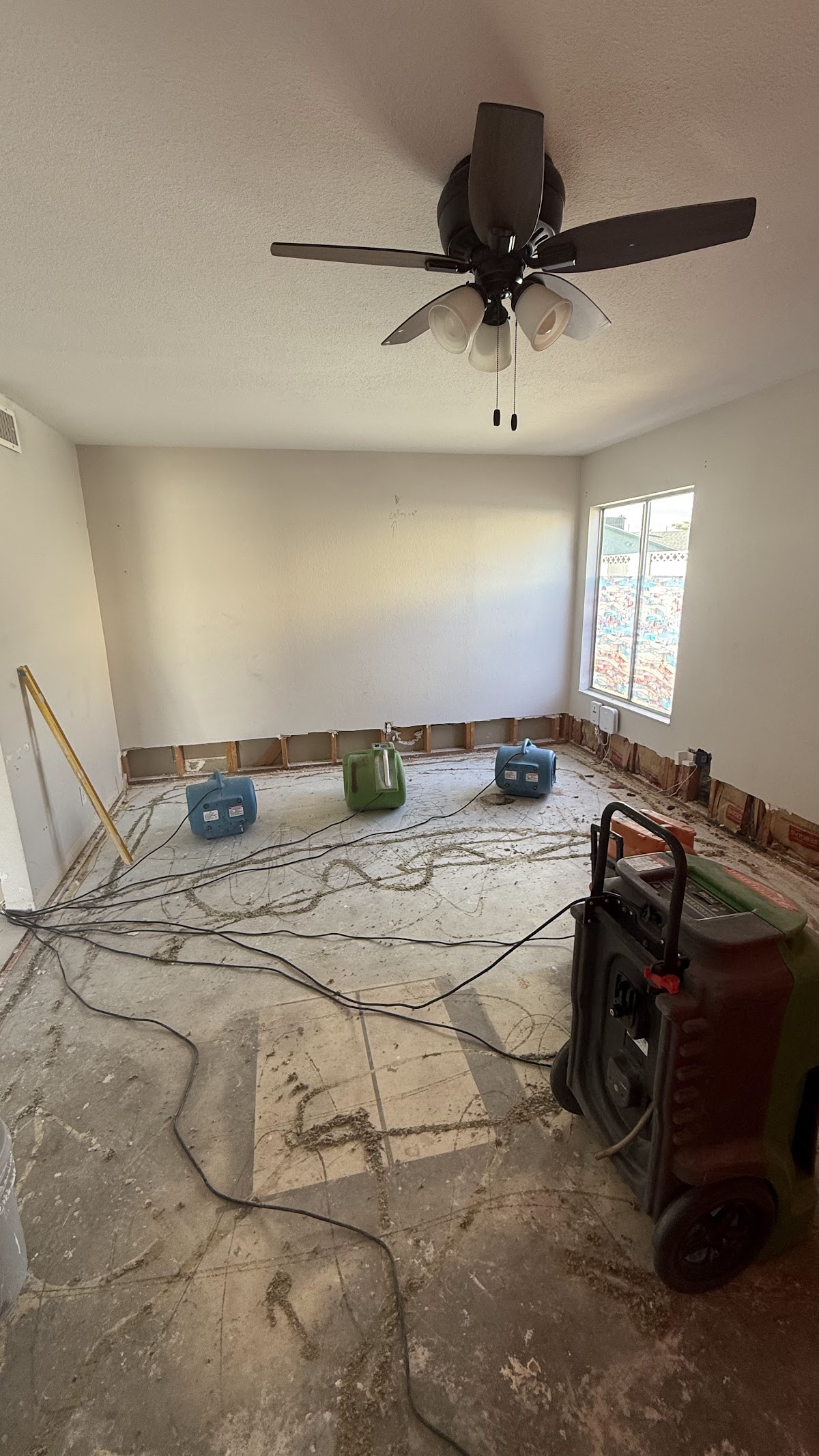
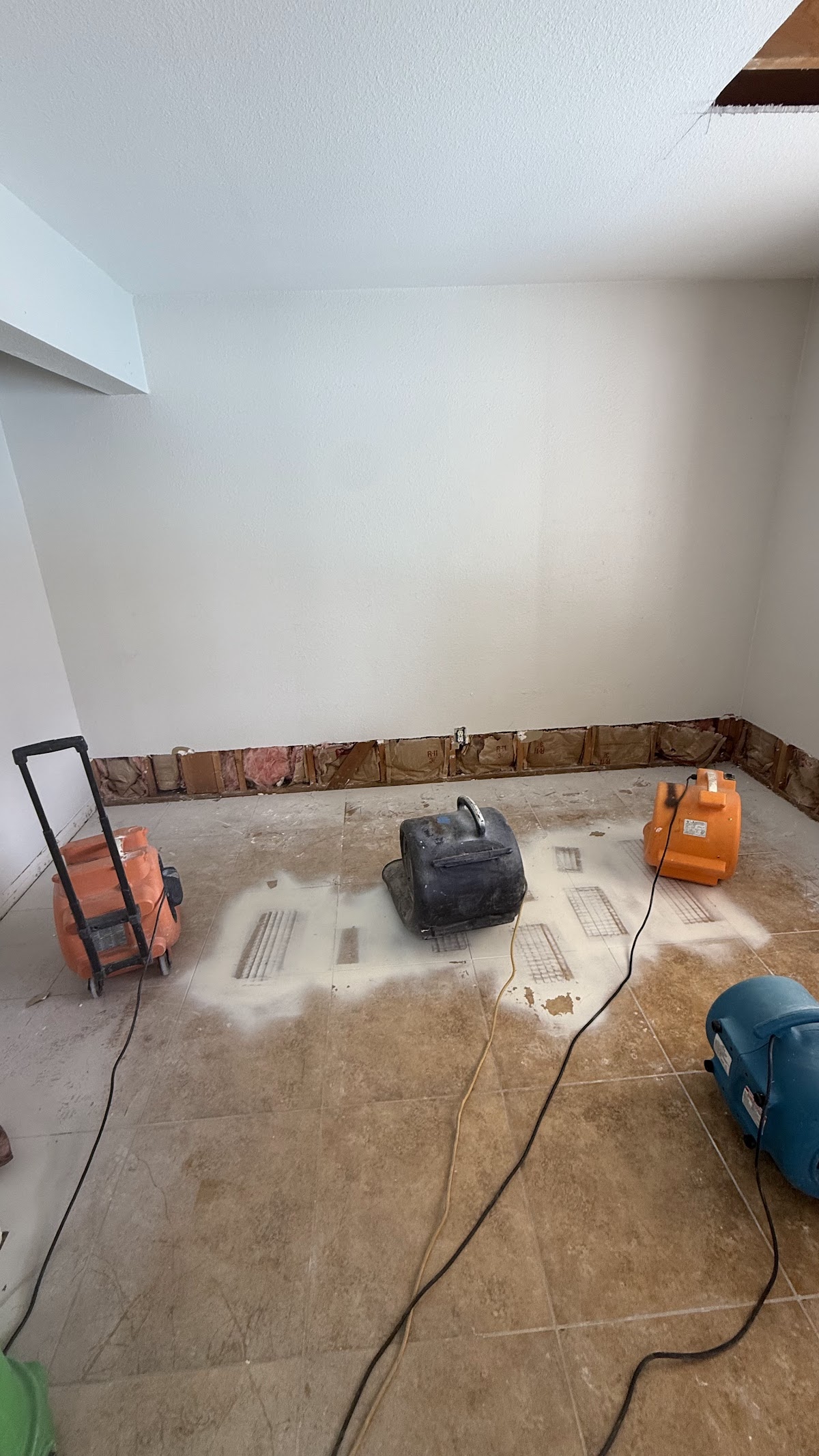
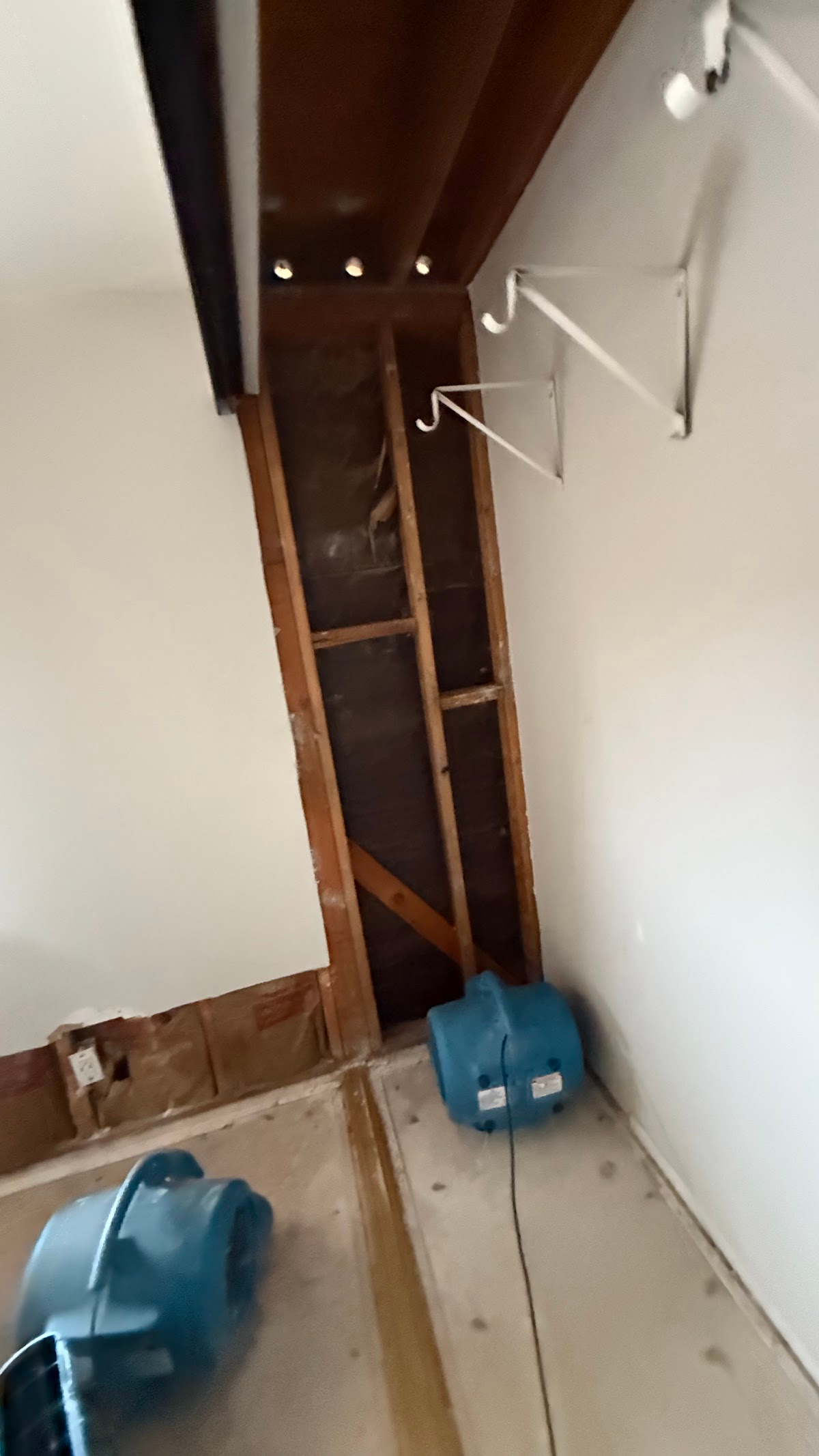
Water-damage project photos for context
These photos show related water-damage work from our project library. They do not establish that black mold was present or identify a mold species. Moisture response and any mold remediation need a scope suited to the actual conditions.