
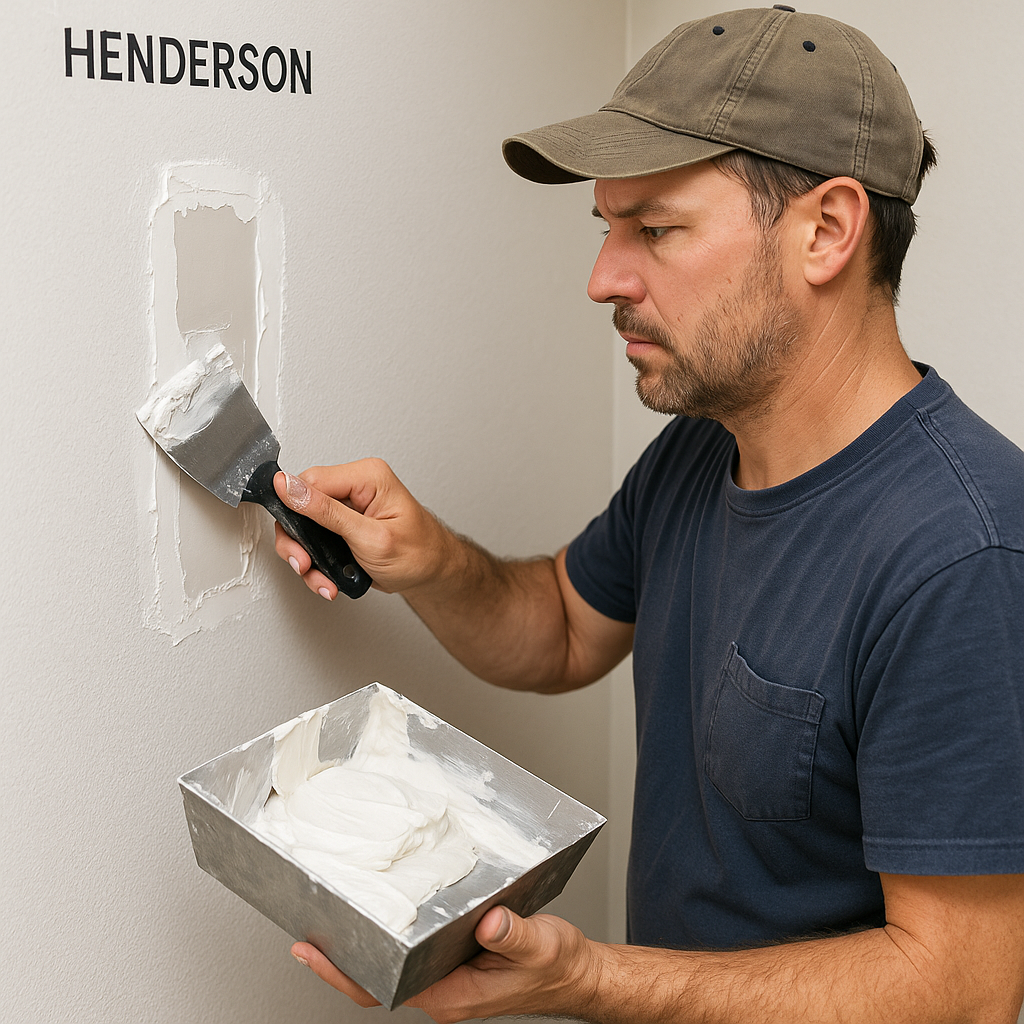
Prepare for drywall repair in Henderson with a checklist for furniture, work-area access, dust protection, pets, cleanup, and scheduling.
Prepare for Drywall Repair: Next Steps
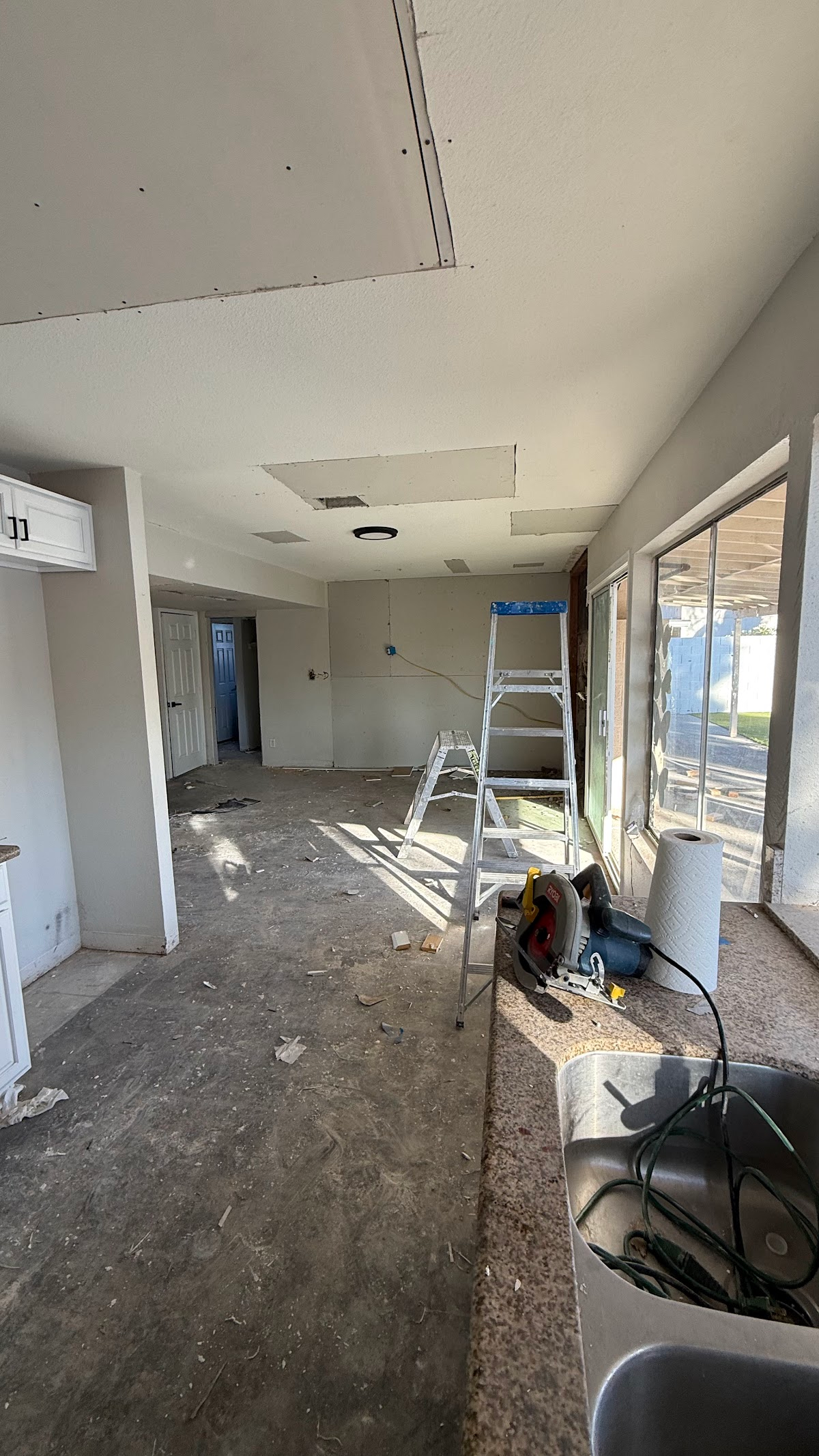
Call 4 Handyman handles requests for prepare for drywall repair and related work. Send photos or call 702-752-0758, and we will review the job, explain your options, and give you a written estimate before any work begins. Larger projects can require a permit, so it is worth checking the building requirements with the City of Henderson before you start.
For help with the work described here, see painting after drywall repairs. Send photos and project details through our estimate request form.
Before drywall repairs begin in a Henderson home, a little preparation can protect furniture, reduce dust, and make the final texture and paint match easier. This guide focuses on what homeowners should do before a drywall crew arrives—not on the usual list of drywall problems.
1. Clear a practical work zone
Move small furniture, wall art, lamps, and fragile belongings away from the damaged wall or ceiling. Leave room for ladders, protective coverings, and tools. If a large piece cannot be moved, tell the crew in advance so they can plan protection.
2. Plan for dust and ventilation
Cutting and sanding drywall can produce fine dust. Ask how the work area will be isolated, whether sanding equipment uses dust extraction, and how nearby air returns will be protected. Keep children and pets outside the work zone. Never assume a plastic sheet makes a room completely dust-free.
3. Photograph the damage before work
Take clear pictures of the affected wall or ceiling, nearby trim, and existing texture. Photos help document the starting condition and make it easier to discuss the expected repair boundaries. If the damage follows a leak, address the moisture source before closing the wall.
4. Confirm access to outlets and water
Drywall crews may need electrical outlets for tools and access to a cleaning area. Point out parking, gate codes, elevator rules, or condominium work-hour restrictions before the appointment. In occupied buildings, ask about protection for shared hallways and floors.
5. Discuss texture and paint expectations
Matching an existing orange-peel, knockdown, or smooth finish can require test areas and multiple visits. Paint color can change over time; even a matching paint code may look different beside an older wall. Ask whether the estimate includes primer, spot painting, or painting the entire wall for a more consistent appearance.
6. Understand the repair schedule
Depending on repair size and materials, patching, joint compound, drying, sanding, texturing, priming, and painting may occur in separate stages. Drying times vary with temperature, humidity, and product. Confirm when the room can be used again and whether the crew will return for finishing.
7. Ask what cleanup includes
Before signing off, confirm whether the scope includes removing debris, collecting coverings, vacuuming the work area, and reinstalling any trim or fixtures that were removed. Ask about any exclusions so there are no surprises.
Drywall repair preparation checklist for Henderson homeowners
- Remove fragile items and wall decorations.
- Arrange access and confirm building work rules.
- Document existing damage with photos.
- Report any active leaks or damp materials.
- Confirm dust control, texture, paint, and cleanup.
- Keep pets and children away from the work area.
Need help preparing for a drywall repair?
Call 4 Handyman serves Henderson, Las Vegas, and North Las Vegas. Learn more about our drywall repair services or explore Call 4 Handyman. Call 702-752-0758 to discuss the scope and scheduling.
How to Prepare for Drywall Repair Day
Knowing how to prepare for drywall repair makes the job faster and keeps your home cleaner.
Before the Technician Arrives
- Move furniture away from the work area
- Remove pictures, shelves and decor from the wall
- Clear a path from the door to the room
- Put pets in another room
- Take down window coverings near the repair
Protecting Belongings
Drywall sanding creates fine dust. Cover electronics and furniture you cannot move. We also use drop cloths and plastic barriers, but extra protection helps when you prepare for drywall repair in a busy room.
Plan for Drying Time
Joint compound needs time to dry between coats. Larger repairs may take two visits or a full day.
Paint
If you have leftover paint from the original color, keep it out for us. It helps match the finish.
After the Repair
Ventilate the room, wipe surfaces and wait for paint to cure before hanging items. For help, call 702-752-0758.
Why It Pays to Prepare for Drywall Repair
Drywall work creates fine dust, needs clear space to work, and involves drying time between coats. When you prepare for drywall repair ahead of time, the technician spends their time fixing walls instead of moving furniture, and your home stays cleaner. Good preparation can also shorten the job and reduce cost.
One Week Before
Make a Complete List
Walk through the house and note every hole, crack, nail pop and stain. Photograph each area with a tape measure for scale. Send the photos with your booking so we can plan materials and time.
Find the Cause of Damage
If a stain or soft spot came from a leak, the leak must be fixed first. If cracks keep returning, mention it so we can look for movement or loose drywall.
Locate Leftover Paint
Look in the garage for paint cans from the original color. Labels often include the color name and sheen. Matching paint is easier with the original.
Plan Around Your Schedule
Larger repairs may take two short visits because compound must dry between coats. Plan for access on both days.
The Day Before
1. Move furniture at least three to four feet away from the repair area
2. Take down pictures, mirrors, shelves and wall decor
3. Remove items from closet shelves if the repair is inside a closet
4. Clear countertops near kitchen or bathroom repairs
5. Unplug and move electronics away from the work area
6. Take down curtains and blinds near window repairs
7. Remove outlet covers and switch plates in the repair zone if you are comfortable doing so
Protecting Your Belongings From Dust
Sanding joint compound creates very fine dust that travels. We use drop cloths, plastic sheeting and low-dust sanding methods, but extra steps help:
- Cover furniture that cannot be moved with old sheets or plastic
- Close doors to nearby rooms
- Turn the HVAC fan to off during sanding so dust does not spread through the ducts
- Keep pets and kids out of the work area
- Put away items on open shelves in the same room
Special Situations
Ceiling Repairs
Clear the floor below the repair completely. We need space for a ladder or scaffold, and ceiling sanding drops dust straight down.
Bathroom and Kitchen Repairs
Remove towels, toiletries and small appliances. If the repair is behind a toilet or vanity, we may need to work around fixtures, so clear the cabinet underneath as well.
Garage Repairs
Move vehicles out and clear storage from the wall. Garage walls next to living space are often fire-rated, so we use the correct drywall type.
Stairwells and Tall Walls
Clear the stairs completely. We may set up scaffolding, which needs space on the landing and floor below.
Repairs After Water Damage
Leave the area open and dry. Do not paint or caulk over stains before we inspect, so we can check moisture levels.
What Happens During the Repair
1. We protect floors and nearby surfaces
2. Damaged drywall is cut out or the crack is opened
3. New drywall or patches are fastened and taped
4. Joint compound is applied in thin coats with drying time between
5. The patch is sanded smooth and texture is matched
6. Primer and paint are applied
7. The area is cleaned and vacuumed
How Long Will It Take?
- Small holes and nail pops: often completed in one visit
- Larger patches: one visit for drywall and first coats, a second for texture and paint
- Water damage repairs: depends on drying time before the wall is closed
Using setting-type compounds speeds things up, but texture and paint still need time to dry.
After the Repair
- Keep the room ventilated for a few hours
- Wipe surfaces with a damp cloth to remove any remaining dust
- Wait 24 hours before hanging pictures on freshly painted walls
- Avoid washing new paint for about two weeks while it cures
- Replace HVAC filters if a lot of sanding was done
Questions to Ask Before Work Starts
- Will the repair include texture matching and paint?
- Is the whole wall being painted, or only the patch?
- How will dust be controlled?
- How many visits will the job take?
- What happens if more damage is found behind the wall?
Asking these questions helps you prepare for drywall repair and know what the finished result will look like.
Tips for Renters and Landlords
Tenants should check their lease before arranging drywall repairs, and landlords should schedule repairs between tenants when possible. Empty units are fastest to repair because nothing needs to be moved or protected. If the unit is occupied, give tenants these preparation steps in writing a few days ahead.
A Simple Checklist
Print or save this list to prepare for drywall repair day:
- Photos and list of all repair areas sent
- Leak or cause of damage fixed
- Leftover paint located
- Furniture moved away from walls
- Wall decor, shelves and curtains removed
- Electronics unplugged and covered
- Pets and children kept away from the work area
- HVAC fan set to off during sanding
- Clear path from the entry to the work area
- Parking available for the technician’s vehicle
Following this checklist makes the visit faster, keeps your home cleaner and helps the finished repair blend in with the rest of the wall.
Matching Paint and Texture After the Repair
The most noticeable part of a drywall repair is not the patch itself but the finish. Walls in Henderson and Las Vegas homes usually have knockdown or orange peel texture, and paint sheen varies from flat to eggshell. To make a repair blend in:
- Texture is matched first. We test the spray pattern on cardboard, then apply it to the patch and feather it into the surrounding wall.
- Primer is essential. Raw joint compound absorbs paint differently from painted drywall. Without primer, the patch can look dull or shiny compared with the rest of the wall, an effect called flashing.
- Paint the full section when needed. Older paint fades. If the wall was painted years ago, touching up just the patch may leave a visible spot. Painting from corner to corner gives a seamless result.
- Use the same sheen. Flat, eggshell and satin reflect light differently. The label on your leftover paint can or the color code inside a closet door often tells us the original product.
When you prepare for drywall repair, finding that leftover paint or color information is one of the most helpful things you can do. If you cannot find it, we can match the color from a small chip cut from a hidden spot.
Combining Drywall Repair With Other Work
Since the room is already cleared and protected, it is a good time to handle related projects: repainting the whole room, replacing baseboards, adjusting doors that caused handle holes, adding door stops, or installing anchors for shelves and TVs the right way. Bundling these items into one visit saves time and avoids preparing the room twice. Call 702-752-0758 to plan your repair.
Frequently Asked Questions
Do I need to move all furniture out of the room?
No. Moving it a few feet away from the repair area is usually enough. Large rooms with repairs on several walls may need furniture grouped in the center.
Will the house be dusty?
We control dust with plastic, drop cloths and careful sanding, and we vacuum before leaving. Some fine dust is possible, so covering nearby items helps.
Can I stay home during the repair?
Yes. Most people stay home and simply avoid the work area.
Should I paint the wall myself afterward?
You can, but we can also match and paint as part of the job, which usually gives a more even finish.
When you are ready to prepare for drywall repair in Henderson or Las Vegas, call 702-752-0758 to schedule.