
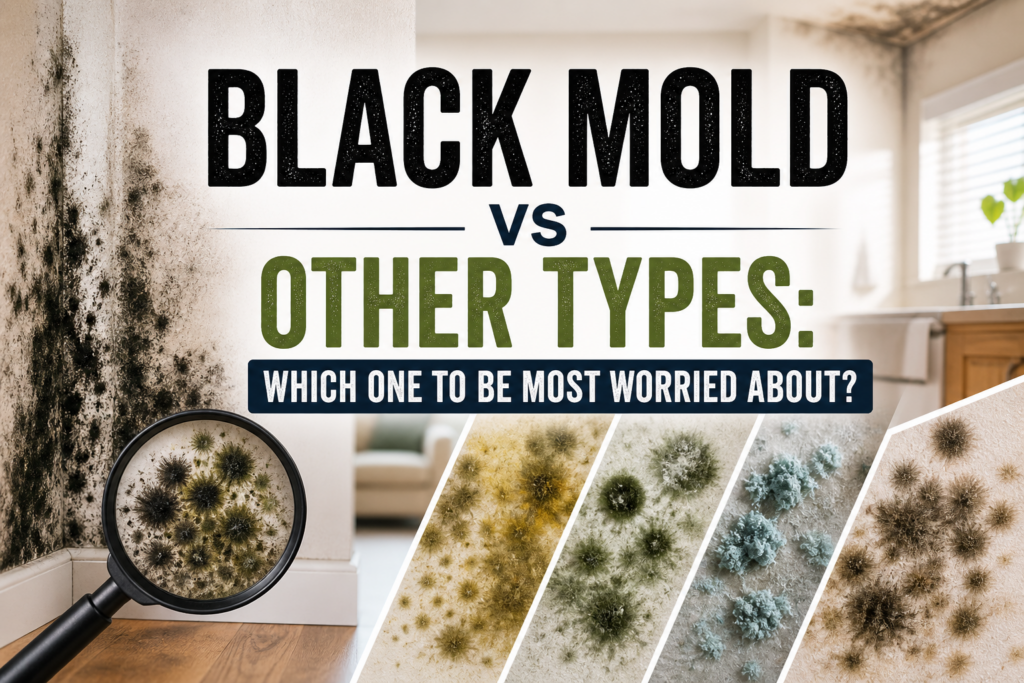
Black mold is not the only indoor growth that deserves attention. For a Las Vegas homeowner, the useful questions are where moisture is coming from, which materials are affected and what assessment or cleanup is appropriate. Color alone cannot tell you which species is present or establish the health risk to a particular person. This guide explains how to discuss mold types without relying on a frightening photograph or a promise that one test will answer every question.
Black Mold and Other Types: Start With the Right Question
The CDC facts about Stachybotrys chartarum explain that this greenish-black mold grows on materials such as gypsum board and paper when moisture is present. The CDC says it is not necessary to identify the type growing in a building before addressing it. A photograph, symptom list or color label cannot establish a connection between a specific species and an individual’s symptoms.
Names such as Aspergillus, Penicillium, Cladosporium and Stachybotrys may appear in conversations or reports. Treat the name as one piece of information rather than a complete description of the building. Ask what the report actually found, where the sample came from and which practical question the result helps answer. Do not assume that a familiar species name makes a damp wall harmless or that a dark patch proves the most alarming explanation.
Why Mold Color Is Not a Risk Ranking
NIOSH guidance on mold testing and remediation states that color does not necessarily indicate greater or lesser danger. It also notes that there are no health-based indoor-air standards for mold and does not recommend routine air sampling in building air-quality evaluations. A short sample is not a universal safety certificate. The moisture problem and affected materials still need attention, whatever color is visible.
For a homeowner, this changes the service conversation. Instead of asking someone to rank a photograph from safe to toxic, explain the room, water history, visible extent and any recurring condition. Ask what can be evaluated during a site visit and what remains uncertain. Keep conclusions tied to the evidence. A provider should be able to explain the proposed work without promising that a particular color or a single numerical result describes the entire property.
Keep Building Assessment and Medical Questions Separate
The CDC overview of mold and health describes possible irritation and respiratory effects, with greater concerns for some people with asthma, allergies, immune compromise or chronic lung disease. Effects vary. Symptoms alone do not diagnose mold exposure or identify the cause of an illness. If you have persistent symptoms or a health concern, speak with a healthcare professional. A repair company should not diagnose a medical condition from a room photograph or a laboratory name.
Tell the service provider about access or occupancy needs relevant to planning the work, while keeping personal medical decisions with the appropriate clinician. Ask who will assess the building and how the work area will be managed. Do not enter or disturb a suspect area just to gather a better sample or image. A careful starting description is useful even when you do not know the species, the full extent of concealed moisture or the final repair method.
5 Powerful Planning Checks Before Mold-Related Work
Use these checks to organize an assessment request and compare a written proposal. They concern the project, not a diagnosis of the occupants. Each property has its own access, materials and history. The correct scope should follow the actual condition rather than a standard package sold only because the word black appears in a description. Keep the room list, earlier repair records and approved changes together throughout the process.
1. Document the Moisture History
Record when you first noticed the visible growth, odor or dampness and where it appeared. Explain whether the concern followed a known plumbing leak, roof event, appliance problem or another incident. Distinguish known facts from guesses. If a source was repaired, keep the invoice and findings with the room record. Do not assume that stopping the visible drip establishes the condition of every affected material. Ask which professional is responsible for evaluating the source and what questions remain open.
For recurring mold concerns, gather the dates of earlier cleanup or rebuilding and photographs showing the area before and afterward. Explain whether the same spot has returned or whether the concern is in a different location. A repeated symptom may need a fresh look at the moisture source rather than another coat of paint. Keep the description specific to the room and surface. The next provider should be able to understand what happened without relying on a broad statement that the whole house was treated.
A dry outdoor climate does not establish what is happening inside a wall, cabinet or ceiling. Provide the actual observations instead of assuming that every local home has the same cause. If there is no known water event, say that clearly. The assessor can explain which conditions need review. An accurate history is more useful than a confident but unsupported diagnosis based on the neighborhood, season or appearance of one patch.
2. Define the Area and the Limits of Assessment
Give the provider a room list and photographs taken from safe, accessible locations. Include a wide view as well as a closer view so the surroundings are clear. Do not open cavities, sand a suspect surface or scrape material simply to prepare for an estimate. Explain whether access is blocked by cabinets, furniture or fixtures. A small visible mark and the area that requires assessment may differ. Ask what the visit can establish and what would require another step before a final scope is prepared.
A mold-related proposal should identify the areas included and any concealed conditions that remain uncertain. If a wall or ceiling must be opened, ask how the provider will document the findings and obtain approval for changed work. Avoid a vague agreement to fix everything without boundaries. Removal, cleaning, drying, source repair and rebuilding can be separate tasks. The written plan should say which are included and which need another professional or a later decision.
For a managed property, label the building and unit references used by the owner or manager. Identify who can arrange access and who can approve work. Keep reports from different rooms or neighboring units separate enough to avoid confusion. A photograph of one apartment should not be presented as a finding for another. Clear location records make the assessment and any completion file more useful to everyone responsible for the property.
3. Ask What a Test Would Actually Answer
If testing is proposed, ask what question it is intended to resolve and how the result would change the work. A species name is not automatically a medical diagnosis, and a number without context is not a universal clearance standard. Ask who will interpret the findings and which limitations will be included in the report. Keep the original report with its sampling locations and date. Avoid accepting an isolated screenshot as a complete explanation of the building’s condition.
Do not assume you must purchase a test before reporting visible mold or a moisture concern. Equally, do not dismiss a carefully scoped assessment merely because a general article cannot determine whether it is useful in your case. The important point is to connect the proposed method with the question being asked. A provider should explain why the information is needed, what it can establish and what it cannot establish before you rely on it to make a project decision.
When two reports seem different, compare the dates, locations, methods and questions involved rather than only the most prominent number. Ask the responsible professionals to explain the practical implication for the work. Keep questions about an individual’s symptoms with a healthcare professional. Separating these decisions prevents a building report from being used to promise a health outcome or a repair invoice from being described as a medical clearance document.
4. Compare the Cleanup and Rebuilding Scope
Ask the provider to describe the proposed work in plain language. Which materials are affected? Which tasks address the moisture source? What is included in removal, cleaning, disposal or rebuilding? What preparation is required before the decorative finish is restored? A proposal should connect its methods with the actual condition. Do not assume that spraying a product or painting a surface is the same service as a properly assessed cleanup and repair project.
Ask how the work area and adjoining occupied areas will be managed, who is responsible for access and what you should avoid disturbing. Follow the responsible team’s instructions for the specific work. If the project involves electrical concerns, plumbing, a roof source or another specialty, establish who handles it. Keep the sequence clear so a finishing crew does not close an unresolved problem. A coordinated schedule can still contain separate scopes, approvals and completion records.
Mold-related work should not come with a promise to sterilize every room or guarantee that a family will never have symptoms. Ask for the intended project outcome and its limits instead. Keep any written workmanship terms and product information. If a contractor’s explanation relies mainly on fear about a color, ask for a clearer account of the observed condition and proposed service. A useful estimate describes what will be done and how changes will be handled.
5. Review Completion and Future Maintenance
Before rebuilding or decorating is closed out, ask the responsible professionals what findings support that stage and which questions remain unresolved. Keep the relevant assessment and completion records with the invoice. A newly painted wall alone does not document every concealed condition. Identify each repaired room and surface, then compare the agreed scope with the completed work. Record any outstanding item and the next responsible contact so it is not lost between providers.
After mold-related work, keep an eye on the original location for returning moisture, staining, odor or another change. Document a new observation and contact the appropriate provider rather than repeatedly hiding it with paint. Retain the source-repair records as well as the finishing invoice. This helps a later assessment distinguish an earlier completed task from a recurring problem or a new event. A clear maintenance file is useful even when no species identification was needed.
For a sale, rental or management handoff, describe the work accurately. A localized repair should not be described as replacement of every affected building component. A proposed scope is not completed work, and an estimate is not a paid invoice. Keep dates and locations attached to the photographs. These simple distinctions make the property record clearer without turning it into a guarantee about health, insurance coverage or every hidden part of the building.
Questions to Bring to the First Conversation
What did you observe and when did it begin? Which rooms and materials are involved? Has the source been identified, and who handled it? Is there a previous cleanup or repair record? Can the relevant area be viewed safely without moving or disturbing suspect material? Who can approve an assessment or a change to the work? Providing this information helps the team understand the request before it recommends a visit or asks for additional records.
What result do you expect from the service? You may need a moisture question investigated, a cleanup proposal reviewed, a source repaired or a finish rebuilt after other work. Identify that starting need rather than requesting a generic mold package. Ask the provider to confirm which tasks it performs and which require another professional. Clear responsibilities are especially useful when several contractors attend the same property at different stages.
Contact Call 4 Handyman About the Repair Scope
For help organizing related property repairs, review our service overview and request an estimate. Describe the location, water history, affected materials and any assessment or restoration already completed. Ask which services are appropriate for the current condition. Call 702-752-0758 to discuss the next step. Medical concerns, testing interpretation and specialty remediation requirements should remain with the appropriate qualified professionals.
Mold Awareness and Restoration References

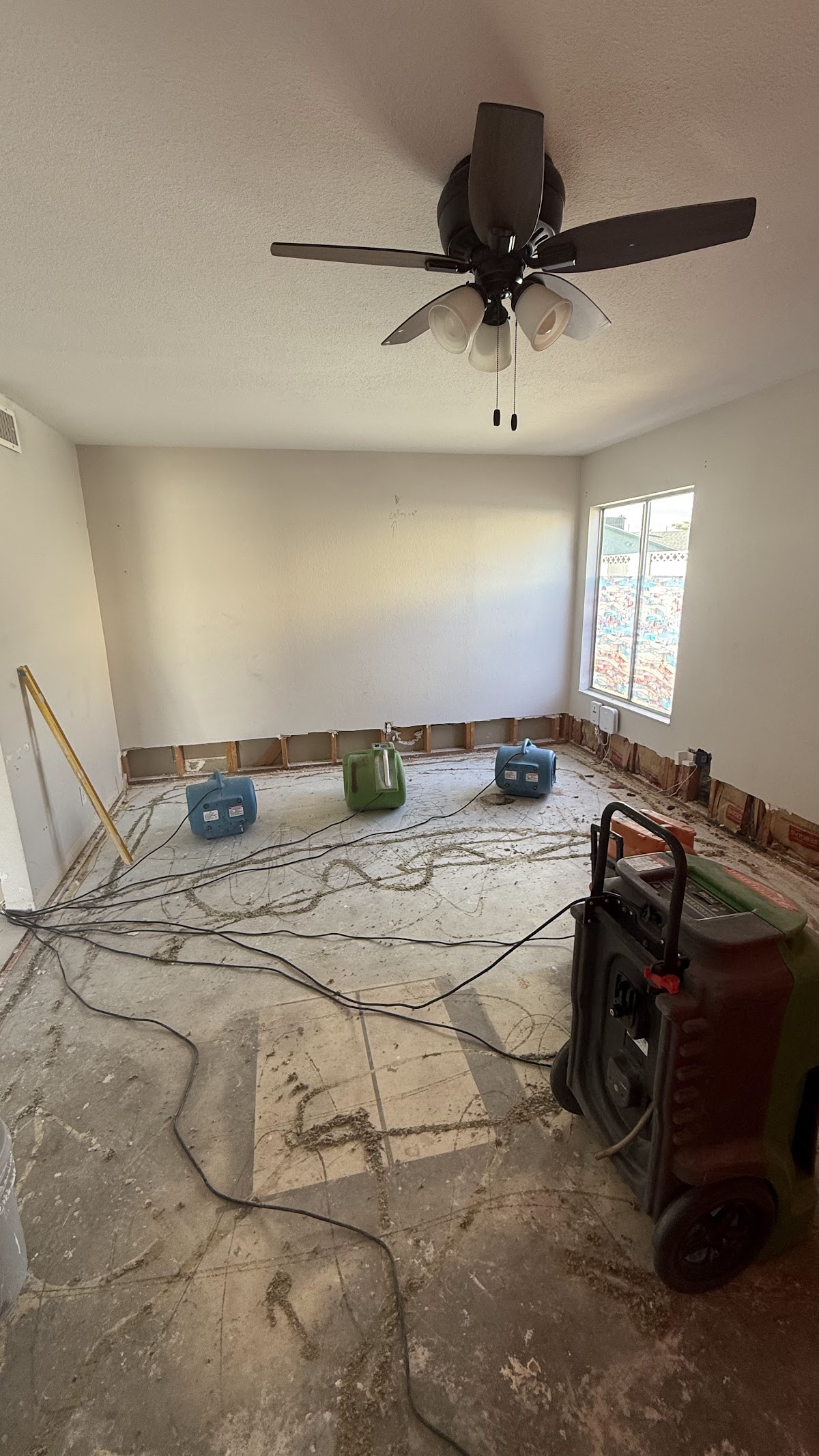
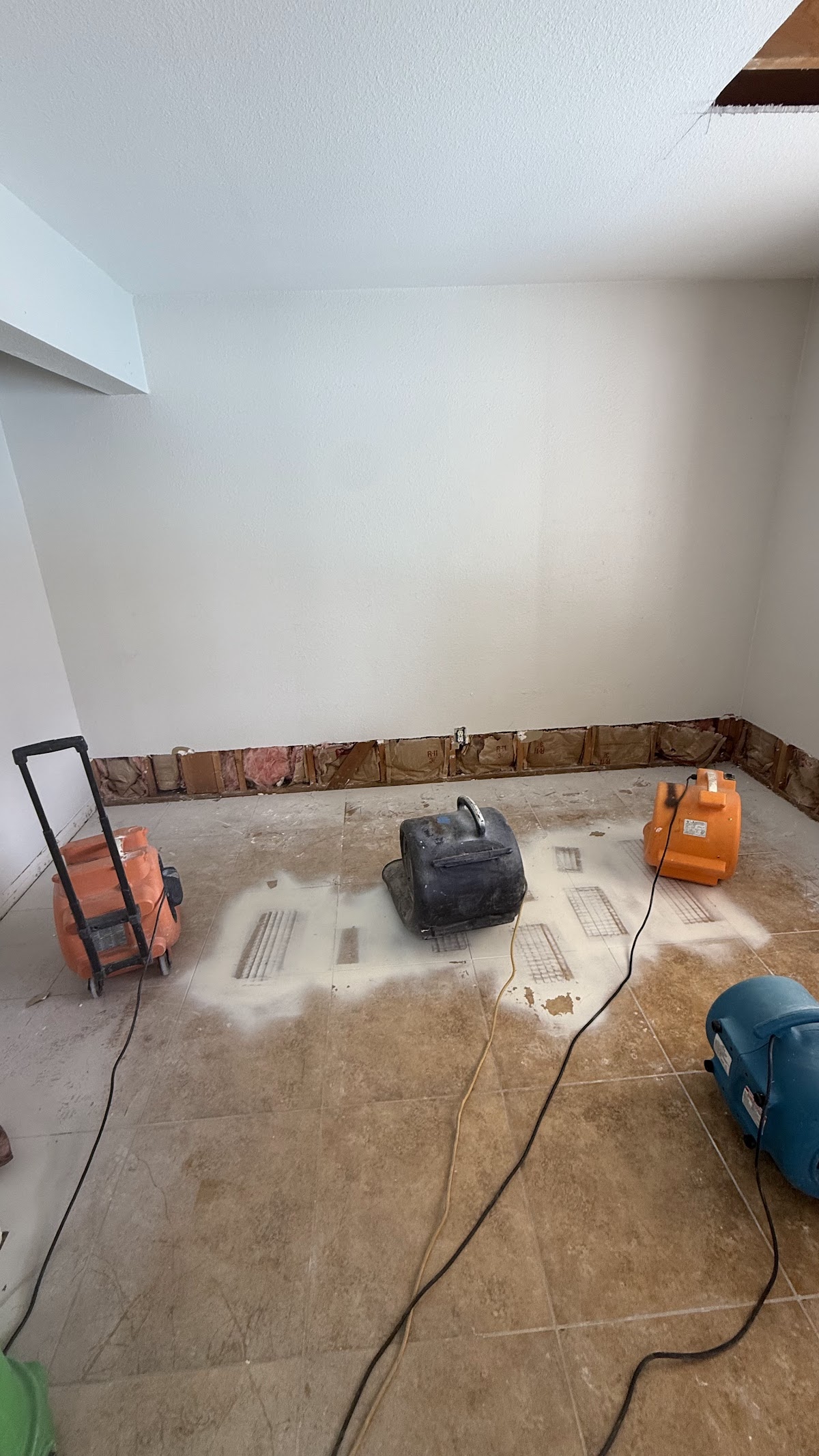
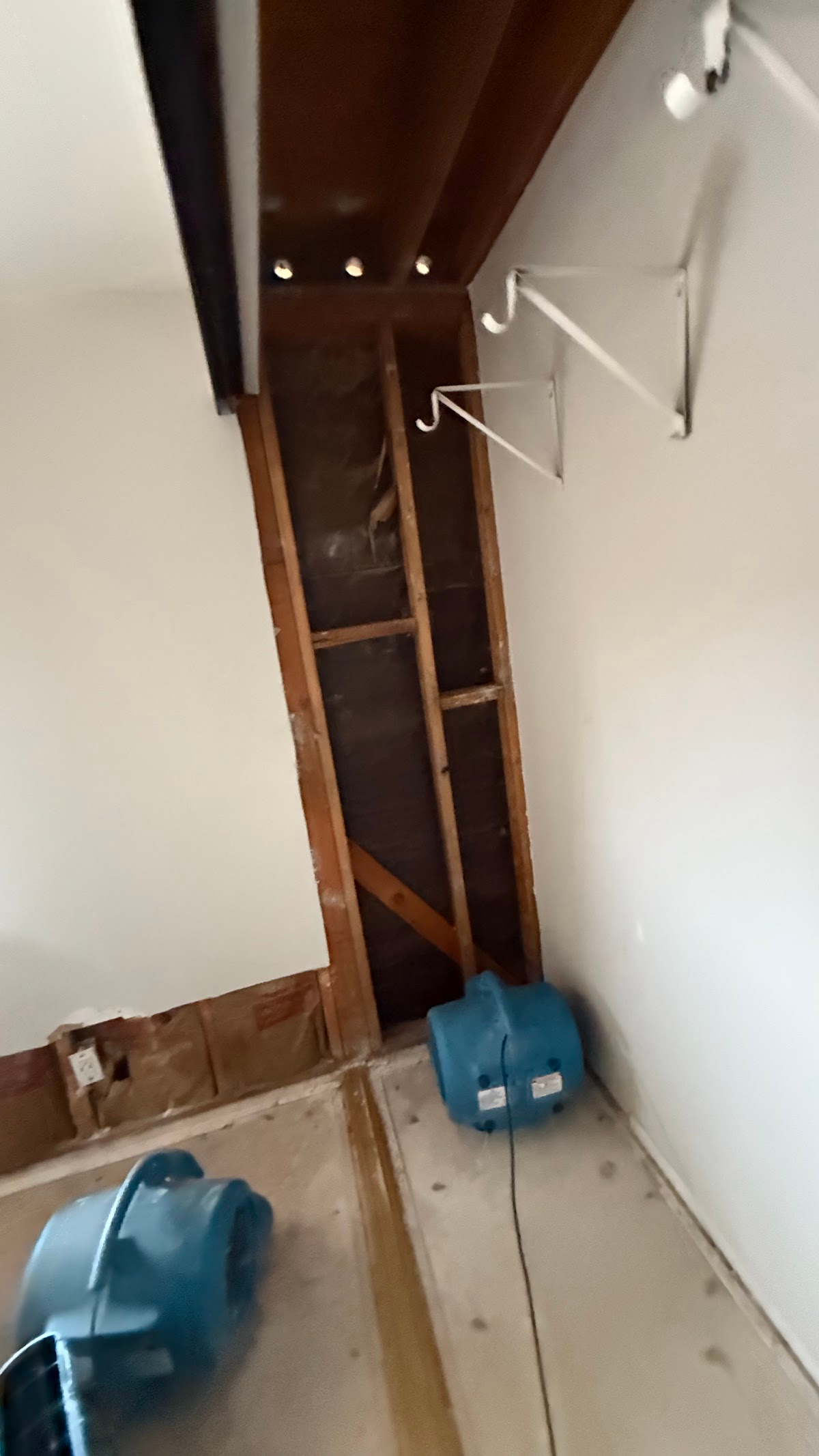
Read a Mold Assessment Record With These Practical Questions
Start with the document’s purpose. Is it recording an initial observation, describing proposed work or reporting completion of an agreed service? Those are different documents. A page headed inspection should still explain what was inspected. Ask the author to identify the question the visit was intended to answer. Keep the original document and its attachments together so a summary does not become separated from the findings and limitations that give it context.
Next, check the date and location. A mold report should be connected to the property, room and area actually reviewed. If the service involved several visits, distinguish the observations from each date. A photograph taken before source control should not be presented as the final condition after repairs. Ask about an unclear room label rather than assuming that a reference to a wall applies to every similar-looking surface in the building.
Separate observations from conclusions. A report might describe a visible mark, a water event, an opened cavity or a particular test result. Ask what was directly observed and what the author inferred. For a mold-related concern, this distinction is useful when several providers are sharing information. A service recommendation should explain its connection to the finding. Avoid turning a conditional recommendation into a statement that every proposed task has already been established as necessary.
Check the limits of access. Was the relevant wall open, partly concealed or viewed only from a distance? Did furniture, fixtures or safety concerns restrict the visit? Ask the author to explain how those limits affect the next step. A mold assessment should not be read as a statement about every unviewed cavity unless the document actually supports that conclusion. Keep the scope of the findings connected to the scope of the visit.
Compare the recommendation with the estimate. If the assessment identifies a question for another professional, ask who will handle it before rebuilding. If an estimate covers only finishing, keep the earlier mold-related work record with it. The person approving the job should understand which stage is being priced. A clear set of documents lets you see the relationship between an observation, the agreed work and the record of completion without treating them as interchangeable.
Ask how changes will be recorded. If additional material is opened or another room becomes part of the mold-related scope, the final file should reflect that development. Keep approved changes with the original room list and estimate. Do not rely on an unlabeled photograph or a verbal promise to explain the whole project later. The record should help a future owner or manager understand what actually happened at the property.
Finally, keep the next contact clear. A finishing question, a returning moisture symptom, a mold testing question and an individual’s health concern may belong with different professionals. Ask each provider what follow-up it handles and which information to retain. This does not require you to diagnose the building or the occupants yourself. It makes the handoff more practical when a later question arises and helps prevent a repair record from being asked to answer something outside its scope.