
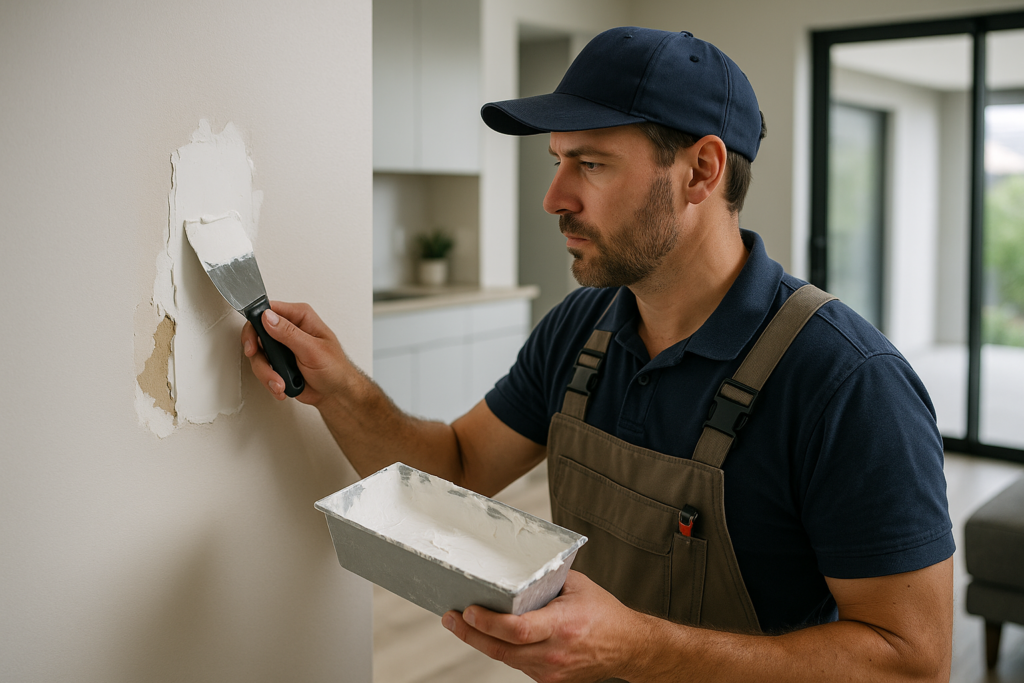
Learn what to check before repairing drywall after a plumbing leak in Henderson, including the leak source, drying, and damaged materials.
Getting Started With Drywall After a Plumbing Leak
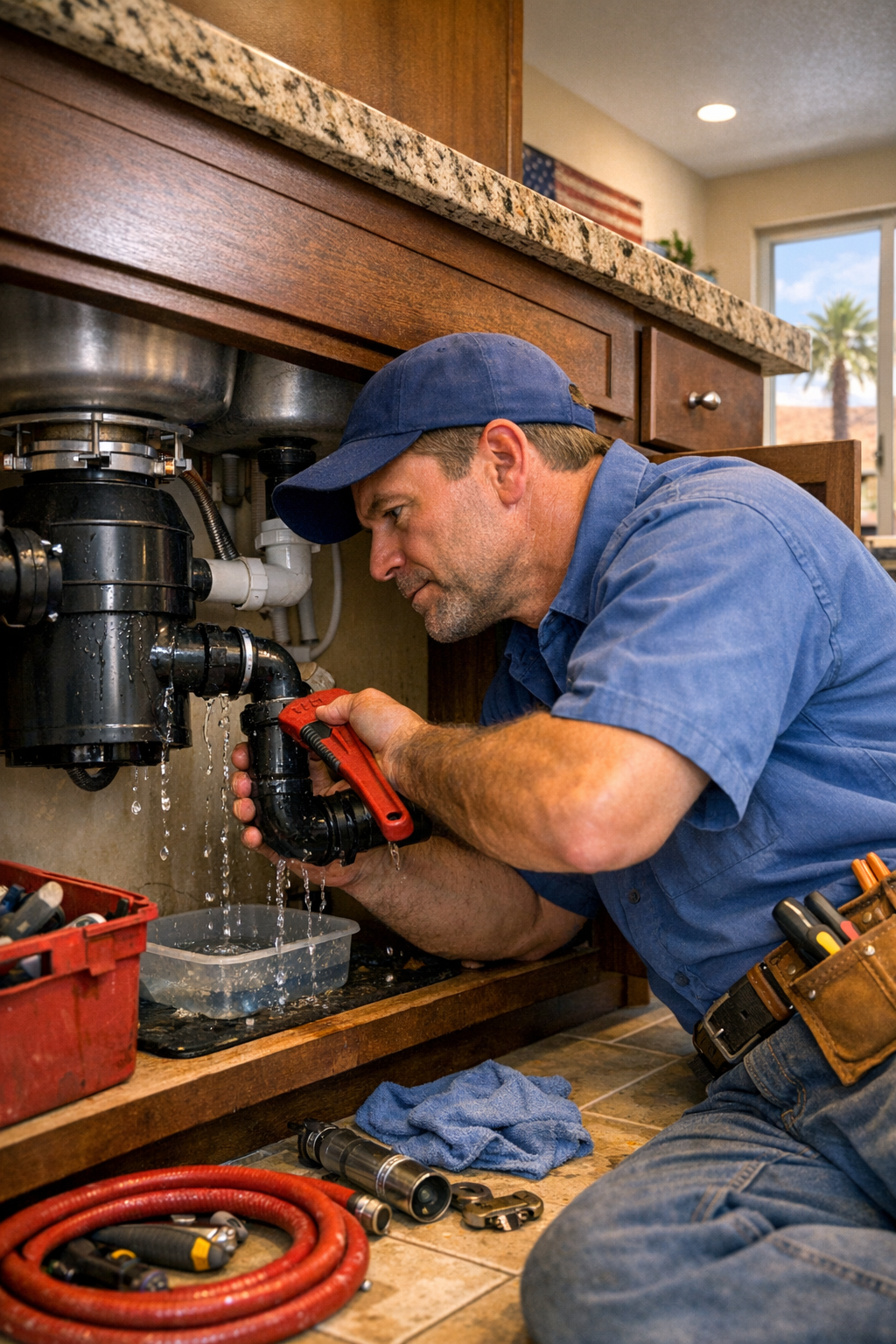
Call 4 Handyman handles requests for drywall after a plumbing leak and related work. Send photos or call 702-752-0758, and we will review the job, explain your options, and give you a written estimate before any work begins. Larger projects can require a permit, so it is worth checking the building requirements with the City of Henderson before you start.
For help with the work described here, see painting after drywall repairs. Send photos and project details through our estimate request form.
A plumbing leak can damage drywall behind a sink, beside a toilet, or inside a wall cavity. Covering a stain without correcting the leak and checking moisture can lead to recurring problems.
Stop the water source first
Arrange for the plumbing problem to be repaired before cosmetic work. If water is near electrical equipment, avoid the affected area and seek qualified assistance.
Evaluate hidden moisture
Discoloration does not reveal how wet the cavity is. A professional can assess affected materials and determine whether removal and drying are necessary. Drying should be verified before closing the wall.
Replace damaged materials where needed
Depending on the extent and duration of water exposure, damaged drywall and insulation may need replacement. The scope varies; not every stain requires the same demolition.
Restore the finish
After the underlying issue is resolved and the area is dry, drywall can be installed, finished, textured, primed, and painted. Ask for a written scope that separates leak repair from wall restoration.
Read more about drywall repairs and reach Call 4 Handyman at 702-752-0758 for service in Henderson.
Fixing Drywall After a Plumbing Leak the Right Way
Repairing drywall after a plumbing leak takes more than patching a stain. If the area is not dried and opened properly, mold and repeat damage can follow.
Step 1: Fix the Leak
Make sure the plumbing has been repaired and tested before any drywall work starts.
Step 2: Check Moisture
Use a moisture meter on the drywall and framing. Wet materials must dry completely.
Step 3: Remove Damaged Drywall
Soft, swollen or stained drywall is cut out, usually a bit beyond the visible damage, and wet insulation is removed.
Step 4: Dry and Inspect
Fans and dehumidifiers dry the cavity. We look for mold and treat it if found.
Step 5: Rebuild
New drywall is installed, taped, mudded and textured to match. Stain-blocking primer goes on before paint.
Insurance
Sudden leaks are often covered. Photos of drywall after a plumbing leak help support your claim.
For help with drywall after a plumbing leak, call 702-752-0758.
What Happens to Drywall After a Plumbing Leak
Drywall is made of a gypsum core wrapped in paper. Both parts react badly to water. The paper facing soaks up moisture and loses strength, while the gypsum core softens and crumbles once it stays wet. That is why drywall after a plumbing leak often looks fine at first and then sags, bubbles or stains days later.
The First 24 to 48 Hours
Water wicks upward and outward through drywall, often a foot or more above the visible wet line. Insulation behind the wall holds water against the back of the drywall, and the bottom plate of the wall can stay wet long after the surface feels dry. This is the window when fast drying makes the biggest difference.
After Two Days
If the wall cavity stays damp, mold can begin to grow on the paper facing and on wood framing. In the Las Vegas Valley the air is dry, but the inside of a closed wall is not. A slow leak behind a vanity or toilet can keep a wall cavity humid for weeks.
Long-Term Damage
Drywall that has been wet for a long time loses its structure. It may sag on ceilings, crumble when pressed, and pull away from screws. Paint on the surface may peel, bubble or show brown rings that keep coming back through new paint.
Common Leak Sources in Henderson Homes
When we repair drywall after a plumbing leak, the leak usually came from one of these places:
- Supply lines to toilets, sinks and refrigerators, especially older rubber lines
- Shut-off valves that corroded and started weeping
- Shower valves and the pipe connections behind tub and shower walls
- Toilet wax rings that let water seep into the subfloor and nearby walls
- Water heater connections and relief valve lines in closets and garages
- Washing machine hoses in laundry rooms
- Drain lines under sinks and behind dishwashers
- Upstairs bathrooms leaking into first-floor ceilings in two-story homes
Hard water in the valley shortens the life of valves, cartridges and supply lines, so leaks are common in homes of every age.
Step-by-Step: Repairing Drywall After a Plumbing Leak
1. Stop the Water and Fix the Plumbing
The leak must be repaired and tested before drywall work begins. Replacing drywall over a pipe that still drips only repeats the damage.
2. Measure Moisture
We use a moisture meter on drywall, framing and the bottom plate. Readings tell us how far the water spread, which is often farther than the visible stain.
3. Cut Out Damaged Material
Wet, soft or stained drywall is cut out in clean rectangles, usually a few inches beyond the damaged area and up to a framing member so the new piece has solid backing. Wet insulation is removed and bagged.
4. Dry the Cavity
Fans and dehumidifiers move air through the opened wall. Drying time depends on how long the leak ran and how much water reached the framing. We confirm with the meter before closing the wall.
5. Inspect and Treat for Mold
If we find mold growth on framing or the back of nearby drywall, it is cleaned and treated before reinstallation. Larger mold problems call for proper containment.
6. Rebuild
New drywall is cut to fit, screwed to the framing, taped and finished. Moisture-resistant drywall is used in bathrooms and laundry areas where it makes sense.
7. Match Texture and Paint
Most Henderson homes have knockdown or orange peel texture. We match it, apply stain-blocking primer, and paint so the repair blends with the wall.
Ceilings Need Extra Care
Drywall after a plumbing leak from an upstairs bathroom often fails on the ceiling below. A wet ceiling is heavy and can collapse without warning. Warning signs include:
- A sagging or bulging area
- Water dripping from a nail head or seam
- Brown rings spreading outward
- Cracks forming in a circle around a wet spot
If you see a bulging ceiling, keep people away from that area, place a bucket below it, and turn off the water. Do not push on the bulge. Call for help right away.
Can Wet Drywall Be Saved?
Sometimes. Drywall that got wet briefly from clean water, dried quickly and is still firm can often be dried in place and repainted with stain-blocking primer. Drywall should be replaced if it:
- Feels soft or crumbles when pressed
- Has sagged or pulled away from fasteners
- Stayed wet for more than a day or two
- Shows mold growth
- Was soaked by dirty water from a drain or toilet
When in doubt, replacing a small section is inexpensive compared with the risk of hidden mold.
Insurance and Documentation
Many homeowners policies cover sudden and accidental water damage, though they usually do not cover slow, long-term leaks or the cost of fixing the plumbing part itself. To support a claim:
- Photograph the leak source and the damage before cleanup
- Keep the failed part if possible
- Save invoices for the plumbing repair and the drywall work
- Write down when you first noticed the problem
We provide photos and a written description of the drywall repair for your adjuster.
How Long the Repair Takes
A small wall repair can often be done in one or two visits once the cavity is dry. Larger areas, ceilings, or jobs that need mold treatment take longer. Drying time is usually the longest step, and it should never be rushed.
Preventing the Next Leak
- Replace rubber supply lines with braided stainless lines
- Exercise shut-off valves once or twice a year so they still work
- Check under sinks and behind toilets every few months
- Recaulk tubs and showers when caulk cracks
- Flush the water heater yearly and check its connections
- Install inexpensive water leak alarms under sinks, behind toilets and near the water heater
Room-by-Room Guide to Leak Damage
Bathrooms
Bathrooms are the most common source. Look at the wall behind the toilet, below the vanity and on the far side of the shower valve wall. If the shower valve wall backs onto a closet, check inside that closet at floor level for stains or swollen baseboards. Repairing drywall after a plumbing leak in a bathroom often includes using moisture-resistant board and recaulking fixtures.
Kitchens
Leaks from dishwasher connections, refrigerator ice-maker lines and sink drains can travel under cabinets before reaching drywall. Damage often shows up first at the toe kick or on the wall beside the dishwasher. The cabinet floor may also be swollen and need repair.
Laundry Rooms
Burst washing machine hoses can release a lot of water quickly. Drywall behind and below the washer, and in neighboring rooms, may need to be opened. Steel-braided hoses and a drain pan help prevent repeats.
Garages and Water Heater Closets
Water heater leaks usually damage the drywall at the base of the closet walls and the bottom plate. Garage drywall is often fire-rated, so we replace it with the same type to keep the wall’s rating.
Ceilings Under Upstairs Baths
Two-story homes often show damage on the first-floor ceiling. We open the ceiling enough to dry the space and inspect joists, then patch and match the ceiling texture.
Signs Your Leak Repair Was Done Right
- The plumbing was pressure-tested or run and checked for drips before the wall was closed
- Moisture readings were normal before new drywall went up
- No soft spots or odors remain
- Texture and paint match so the repair is hard to find
- You received photos of the open wall and the completed work
These steps matter because hidden moisture is the main reason drywall after a plumbing leak fails again. Call 702-752-0758 to schedule an inspection and repair.
Mistakes to Avoid After a Leak
- Painting over the stain right away. The stain returns, and moisture may still be trapped behind it.
- Closing the wall too soon. A surface that feels dry can hide a wet bottom plate and insulation.
- Leaving wet insulation in place. Insulation holds water against framing for weeks.
- Ignoring a small drip. Slow leaks often cause more hidden damage than a sudden burst because they go unnoticed for months.
- Running the heater or AC only. Air movement across the damaged area, with fans and a dehumidifier, dries walls far faster.
- Skipping photos. Insurance claims are much easier when the damage is documented before cleanup begins.
Avoiding these mistakes keeps a one-time leak from becoming a repeat repair of drywall after a plumbing leak, plus mold remediation later.
When to Call a Professional
Call for help with drywall after a plumbing leak when the damaged area is larger than a dinner plate, the ceiling is involved, the drywall is soft, you smell mildew, or you are not sure the leak has stopped. A short inspection with a moisture meter answers those questions and prevents bigger repairs later. We serve Henderson, Green Valley, Anthem, Inspirada, Cadence and the rest of the Las Vegas Valley.
Frequently Asked Questions
How do I know if water got inside the wall?
Stains, bubbling paint, soft spots, swollen baseboards and a musty smell are common signs. A moisture meter confirms it.
Should I open the wall myself?
You can remove wet baseboards and turn on fans, but cutting drywall near plumbing and electrical lines is best left to a professional.
Will paint cover a water stain?
Regular paint will not. Water stains bleed through. The area must be dry and sealed with a stain-blocking primer first, and damaged drywall must be replaced.
If you need drywall after a plumbing leak repaired in Henderson or Las Vegas, call 702-752-0758.