
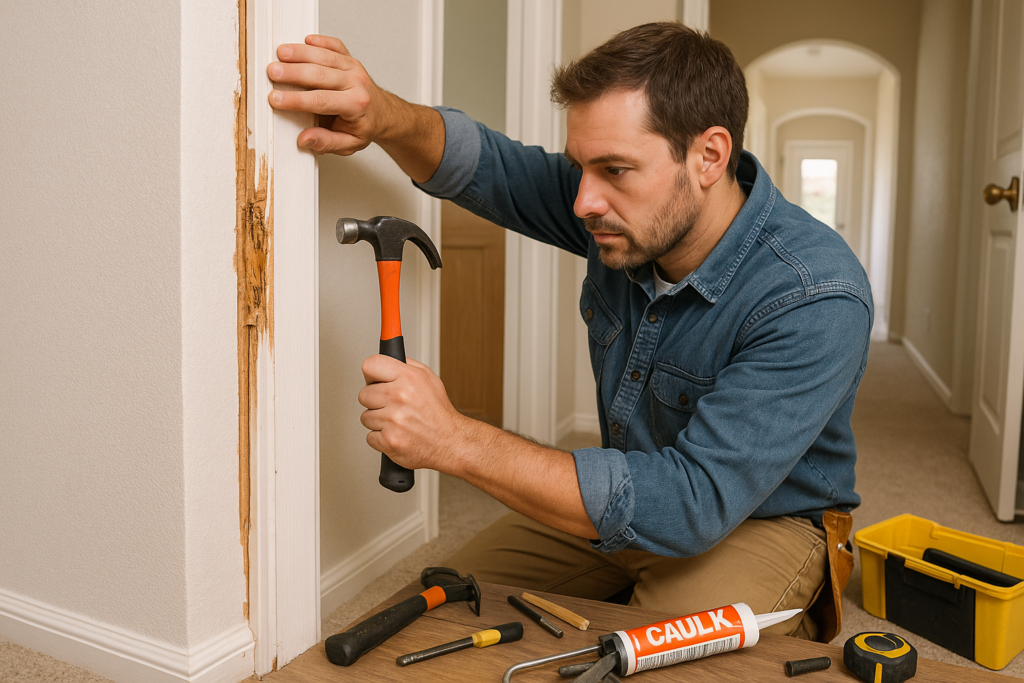
Door Repair in Henderson: Start With the Symptom
Doors are an essential part of any home, providing security, privacy, and aesthetic appeal. However, like any other part of a home, they can experience wear and tear over time. This article will guide you through the common door repair issues faced by homeowners in Henderson and when it’s time to call in the professionals.
Common Door Repair Issues
Door Alignment Problems
One of the most frequent issues is door misalignment. This can occur due to settling of the house foundation or wear on the hinges. Signs include difficulty in closing the door or gaps between the door and frame.
Hinge Problems
Hinges may become loose or corroded, causing squeaks or making the door difficult to open. Tightening or replacing hinges can often resolve these issues.
Frame Damage
Door frames can suffer from cracks or rot, especially in older Henderson homes. This not only affects the door’s operation but can also compromise security.
Weather Stripping Issues
Worn-out weather stripping can lead to drafts and increased energy bills. Regular inspection and replacement can prevent these issues.
Causes of Door Problems
Several factors can contribute to door issues, including the dry desert climate of Henderson, which can cause wood to expand and contract, affecting door alignment and integrity.
Why Addressing Door Problems is Important
Ignoring door issues can lead to more significant problems, including increased energy costs, security risks, and further damage to the door and frame.
The Door Repair Process
The repair process generally involves diagnosing the problem, sourcing the necessary materials, and performing the repair. For complex issues, such as significant frame damage, professional help is advisable.
DIY vs. Professional Repair
While minor issues like hinge tightening can be DIY projects, more complicated repairs should be handled by professionals to ensure safety and quality.
Maintenance Tips
- Regularly check and tighten door hardware.
- Lubricate hinges to prevent squeaking.
- Inspect weather stripping and replace as needed.
Local Considerations
Henderson’s climate can be harsh on doors. Regular maintenance is crucial to prevent weather-related damage.
When to Call a Professional
If you notice persistent issues despite attempts to fix them, it’s time to contact a professional. They have the expertise to handle complex repairs safely and efficiently.
FAQ
- How often should I inspect my doors? It’s best to check them every few months, especially after severe weather conditions.
- Can I replace door hinges myself? Yes, but ensure you have the right tools and follow safety guidelines.
- What causes door misalignment? House settling and climate changes are common causes.
- Is weather stripping replacement a DIY job? Yes, it’s relatively simple with the right materials.
- How do I know if my door frame needs repair? Look for visible cracks, difficulty in closing the door, or drafts.
Door Repair or Replacement in Henderson?
Some problems can be corrected by adjusting hinges, replacing worn weatherstripping, or repairing a damaged frame. If a door is severely damaged or a new entry door is needed, see our door installation service. We also provide handyman services throughout the Las Vegas Valley and estimates by request. Homeowners in Green Valley, Anthem, and other Henderson neighborhoods can contact us with photos of the door and the problem for a scope review.
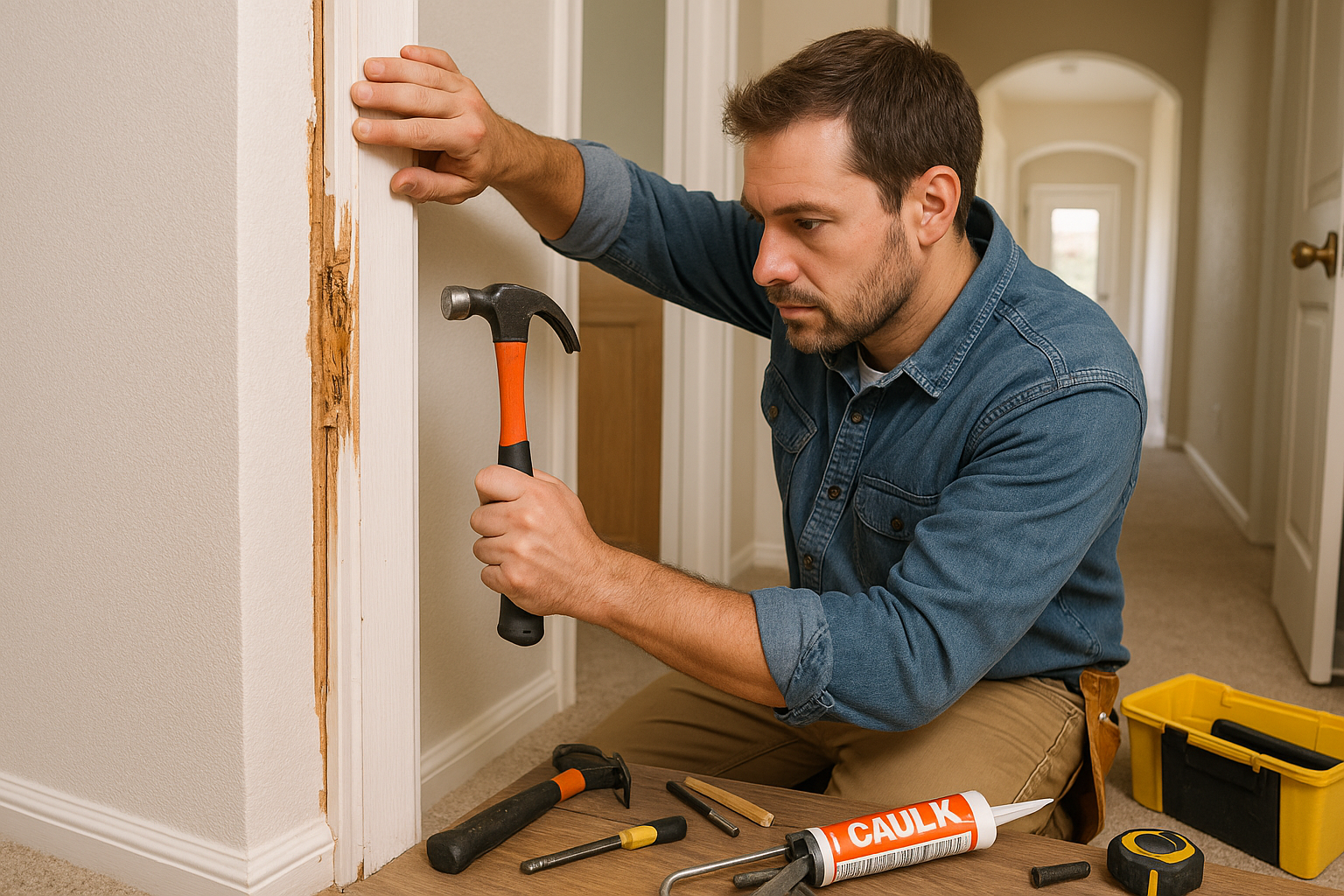
For additional background, see the Department of Energy efficiency resources. Confirm the products and requirements that apply to your particular project.
7 Essential Door Repair Checks Before Replacement
- Identify where the slab rubs against the frame.
- Check whether the latch reaches the strike plate.
- Look for movement at the hinges.
- Photograph split wood and damaged jamb areas.
- Inspect the threshold and weatherstripping.
- Note whether the problem is constant or intermittent.
- Compare the proposed door repair scope with replacement.
A door repair visit is more useful when the homeowner can describe the symptom clearly. Does the door drag only at the bottom, require lifting to latch, or move when the handle is pulled? Those observations help distinguish hardware adjustment from frame or slab damage.
Before approving door repair, discuss what finish work is included. A jamb patch may also need sanding, trim work and paint. If the opening is changing or movement continues, additional investigation may be needed before the visible repair is completed.
Record the Door Repair Problem Before the Visit
Take one photograph with the door closed and another showing the hinge side. Include the latch, strike plate, threshold and any visible damage. Explain whether the problem started suddenly, followed another repair or developed gradually. A clear description helps focus the visit on the cause instead of a general request to make the door work better.
Door repair should preserve the function of the entire opening. A latch adjustment that makes closing easier may leave another issue unresolved if the slab is sagging or the frame is damaged. Ask which observations support the proposed fix and what additional work might be needed if concealed damage is discovered.
Check the Finish and Hardware After Door Repair
During the final check, open and close the door several times without lifting or forcing it. Confirm the latch engages, the handle operates and the repaired area has the agreed finish. Discuss any remaining gaps, paint touch-ups or replacement hardware before the work is considered complete.
If a door repair is part of preparing a property for a new tenant, review the surrounding trim and wall at the same time. This makes it easier to schedule the finishing work together. Keep any spare hardware and product information so future maintenance does not begin with identifying an unknown part.
Related work can include door frame repair, Henderson home repairs, North Las Vegas service, company information and tile work around affected thresholds.
Organize Door Repair Around the Cause of the Problem
Describe What Happens When the Door Moves
A useful service request explains the movement rather than simply saying the door is broken. Does the slab rub near the top corner, drag across the floor or stop before the latch engages? Does it open by itself or need to be lifted by the handle? Note whether the symptom appears every time or only under certain conditions.
Door repair begins with those observations. Take a short video from a safe position if the movement is difficult to describe. Include the frame and hardware in the view. Do not force a damaged door repeatedly to demonstrate the problem, particularly when the frame is split or the slab is loose at the hinges.
Identify the Type of Opening
Tell the service team whether the problem affects an entry door, bedroom door, closet door or another opening. Mention the material if you know it and explain whether glass is involved. A lightweight interior door and a heavy exterior assembly present different handling and finish questions. Product information is useful when available.
If the door is part of a managed building or has specialized hardware, include that information at the beginning. Not every opening fits the same service scope. The initial conversation should establish which work can be reviewed and whether another qualified trade or supplier needs to participate.
Look at the Frame as Well as the Slab
A door that does not close may have a hardware problem, but the surrounding opening also matters. Photograph visible damage at the hinges, latch and threshold. Note gaps that have changed or cracks near the opening. Avoid assuming that trimming the slab is the right solution before the cause has been assessed.
Door repair should address the way the components work together. Replacing a handle will not necessarily correct a damaged jamb, and adjusting a strike plate may not resolve continuing movement. Ask the person reviewing the problem to explain the proposed fix and the conditions that could change the scope.
Plan Hardware Selections Before the Visit
If you want new handles or hinges, provide the selected model before purchase or installation. Confirm finish, quantity and included parts. Similar appearance does not guarantee that hardware fits the existing preparation. Keep the old components until the replacement has been checked and the installation plan is clear.
For a door repair involving a lock, discuss the intended function without posting keys, codes or other private access information in public messages. Explain whether the opening needs privacy hardware, passage hardware or another arrangement. Any specialized security requirements should be reviewed as part of the actual project.
Discuss Weatherstripping and Thresholds Together
Drafts, daylight around the perimeter or a worn seal deserve a closer look, but the door must also close and latch properly. Record where the gap appears and whether the door has been difficult to operate. A seal should be selected for the assembly rather than added until the door becomes difficult to close.
Ask which parts of the opening the estimate covers. A door repair request may involve the sweep, perimeter seals, threshold or adjacent trim. Identify the condition of each area separately so the proposed work is clear. Keep manufacturer information for replacement parts when it is available.
Protect Nearby Finishes
Move fragile objects and provide room to work on both sides of the opening. Discuss flooring, nearby furniture and landscaping that could affect access. If the door is the main entrance, agree on how household members will enter and leave during the work. Practical access planning makes the repair visit easier to organize.
For an occupied property, explain any scheduling limits before the appointment. A door repair may require the opening to remain clear for part of the visit. Keep children and pets away from the work area, and arrange an alternative route where appropriate. Do not assume an entry can remain in normal use throughout every task.
Separate Carpentry From Final Decorating
A repaired jamb or replaced trim section may need finishing after the underlying work. Ask whether sanding, filling, priming and painting are included. If only the damaged section will be painted, discuss the possibility of a visible difference from the surrounding weathered finish. Keep the chosen color and product information.
Door repair estimates are easier to compare when the finish expectations are written down. One quote may cover the functional repair only, while another includes trim and coating work. Neither should be compared by price alone without identifying the difference. Agree on the appearance expected at the end of the project.
Review Repair and Replacement as Separate Options
When damage is extensive, request a clear explanation of the repair option and the replacement option. Compare the work included, product responsibility and finishing tasks. A replacement may introduce changes to trim, hardware or adjacent surfaces. A repair may preserve more existing material but still require careful preparation.
The decision should follow the condition of the actual opening. Do not assume that a new slab will fit without further work, or that every damaged frame is suitable for a patch. Door repair is most useful when the proposed result is explained in terms of function, condition and agreed finish.
Keep Changes to the Scope Documented
Some damage becomes visible only after trim or hardware is removed. If that changes the work, ask for photographs and a written description before approving the additional task. Keep the change with the original estimate so the final invoice can be understood against the agreed project.
This is especially helpful when an owner or property manager cannot be on site. Identify who may approve changes and how they should be contacted. A clear approval arrangement prevents a worker from waiting for a decision and prevents the owner from receiving an unexpected expansion of the project.
Use a Final Function Check
At the end of a door repair, open and close the assembly several times in the way it will normally be used. Check the handle and latch without lifting or pushing the slab into place. Review any agreed seal or threshold work. Note remaining issues while the person who completed the work is present.
Confirm that the repaired area has the finish described in the scope. If a coating needs time before normal cleaning or use, follow the relevant product instructions. Keep any follow-up task on a written list with the responsible person and expected next step. This is clearer than an informal promise to return later.
Prepare a Rental or Managed Property for Service
Provide the property address, the exact opening involved and the approved access arrangements. Let the service team know whether the home is occupied and whether anyone must be present. Avoid sending unnecessary private tenant information. The goal is to provide enough context to arrange the work safely and efficiently.
For door repair in Henderson neighborhoods such as Green Valley and Anthem, explain any gate or parking instructions in advance. The neighborhood name alone does not describe the building or the door. Photos, the symptom and the scope request are more useful than assumptions based on the property’s location.
Keep a Simple Maintenance Record
Record the repair date, the components replaced and any product information supplied. If the same problem returns, describe what changed and how long the repair worked normally. A useful record helps the next assessment begin with the history of the opening instead of repeating an incomplete description.
Check visible wear during normal household maintenance and report a change in operation early. Avoid repeated adjustments that remove material or hide a developing problem. If the opening shows ongoing movement or surrounding damage, arrange further review rather than treating every recurrence as a simple hardware issue.
Coordinate Adjacent Work With a Clear Boundary
Door repair can be part of a wider room refresh, but nearby work should still be identified separately. A damaged wall, worn baseboard or changing floor height may affect the project. Discuss the sequence so completed finishes are protected and the door is reviewed against the final condition of the room.
For related finishing needs, review drywall repair and baseboard installation. If several rooms need work, organize the list by location and priority. This allows the estimate to separate essential function repairs from optional appearance updates.
Agree on Priorities When Several Doors Need Work
When requesting door repair for several openings, identify each one by room and symptom. Separate a door that will not latch from one with an appearance concern. This makes it easier to prioritize function and access while still recording optional finishing work. Photographs should be labeled so the estimate does not mix problems from different rooms.
Before the appointment, confirm which hardware is owner-supplied and which items will be provided as part of the work. Keep products in their packaging until reviewed and retain receipts. A clear list helps the service team compare the requested door repair with the available parts. It also makes the final walkthrough easier because each opening can be checked against its own agreed scope.
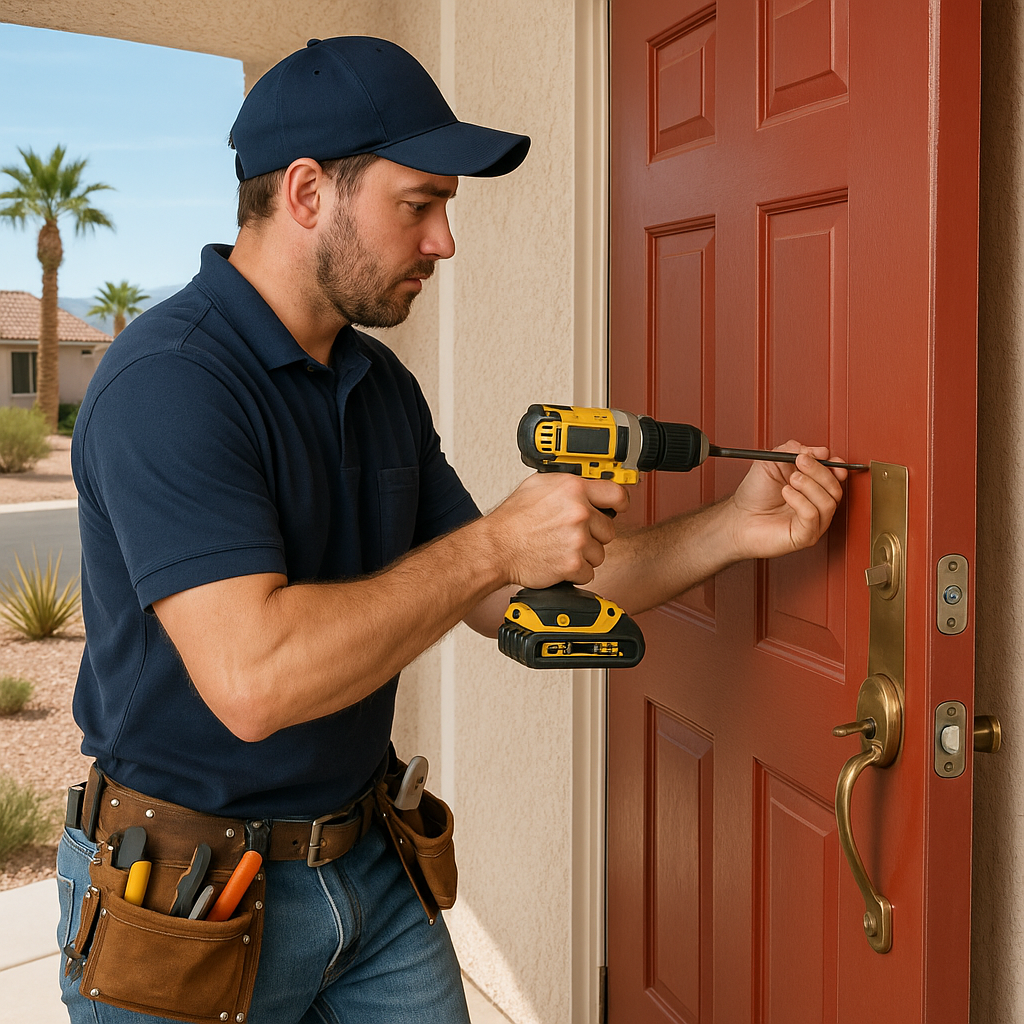
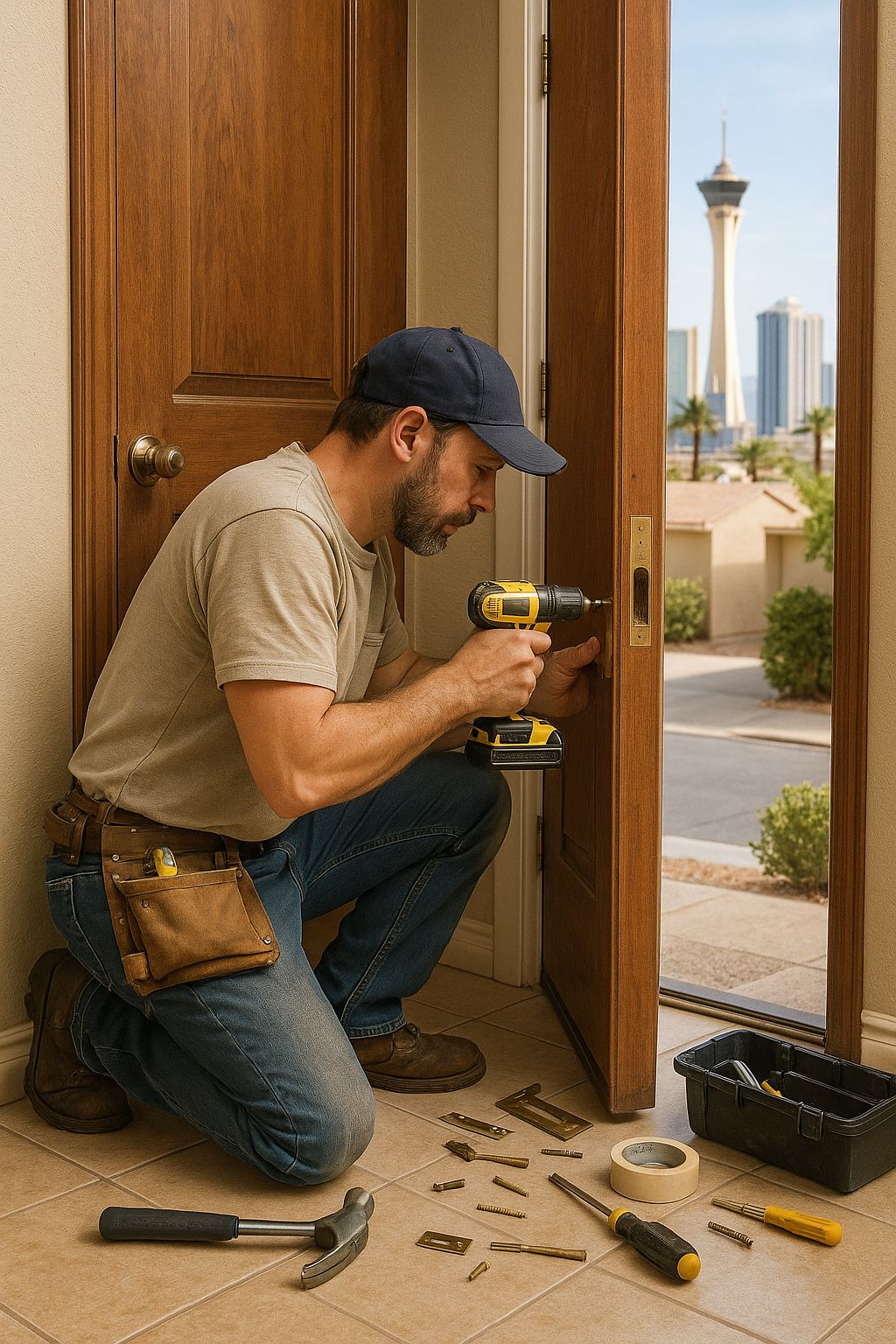
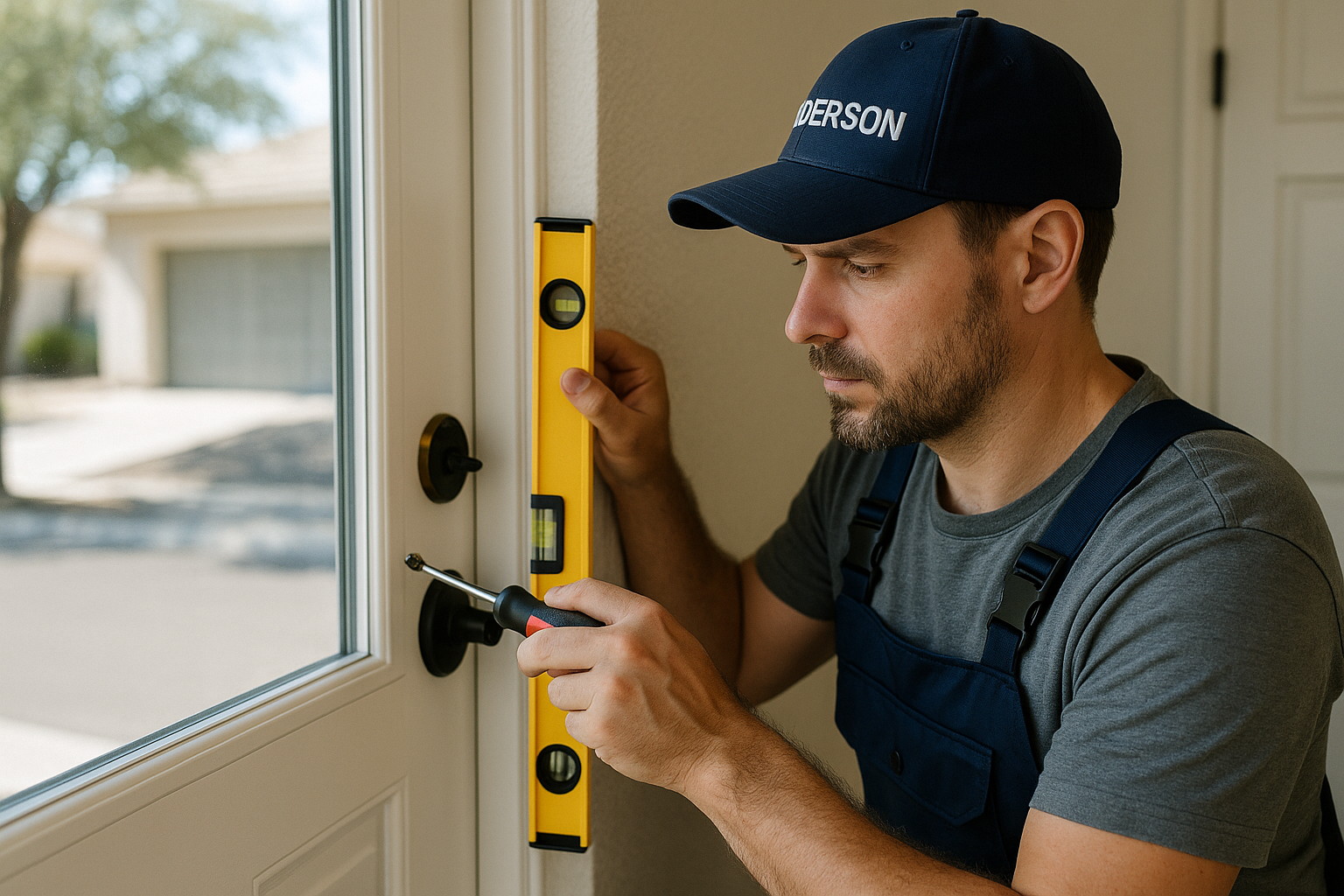
Visual References for Project Planning
Conclusion
Doors are a critical component of your home’s functionality and security. Regular maintenance and timely repairs can prevent minor issues from becoming major problems. For complex repairs, don’t hesitate to reach out to professionals like Call 4 Handyman.
For expert door repair services in Henderson, contact us today.
Call to Action
For all your door repair needs in Henderson, trust Call 4 Handyman. Call us at 702-752-0758 or visit our contact page to request an estimate.
Call 4 Handyman 702-752-0758 https://call4handymanlasvegas.com/